

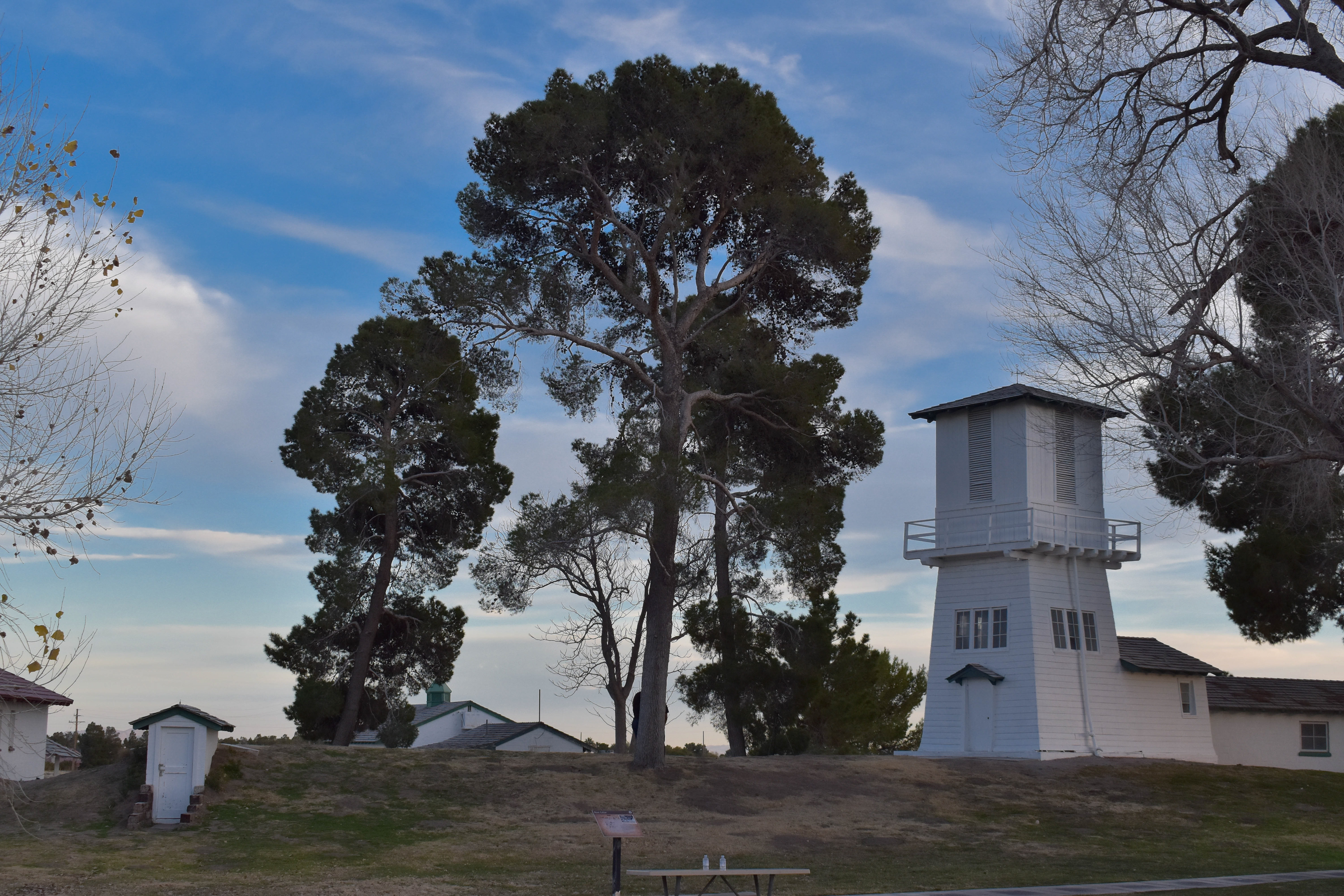
Rule of Thirds focus on the tower
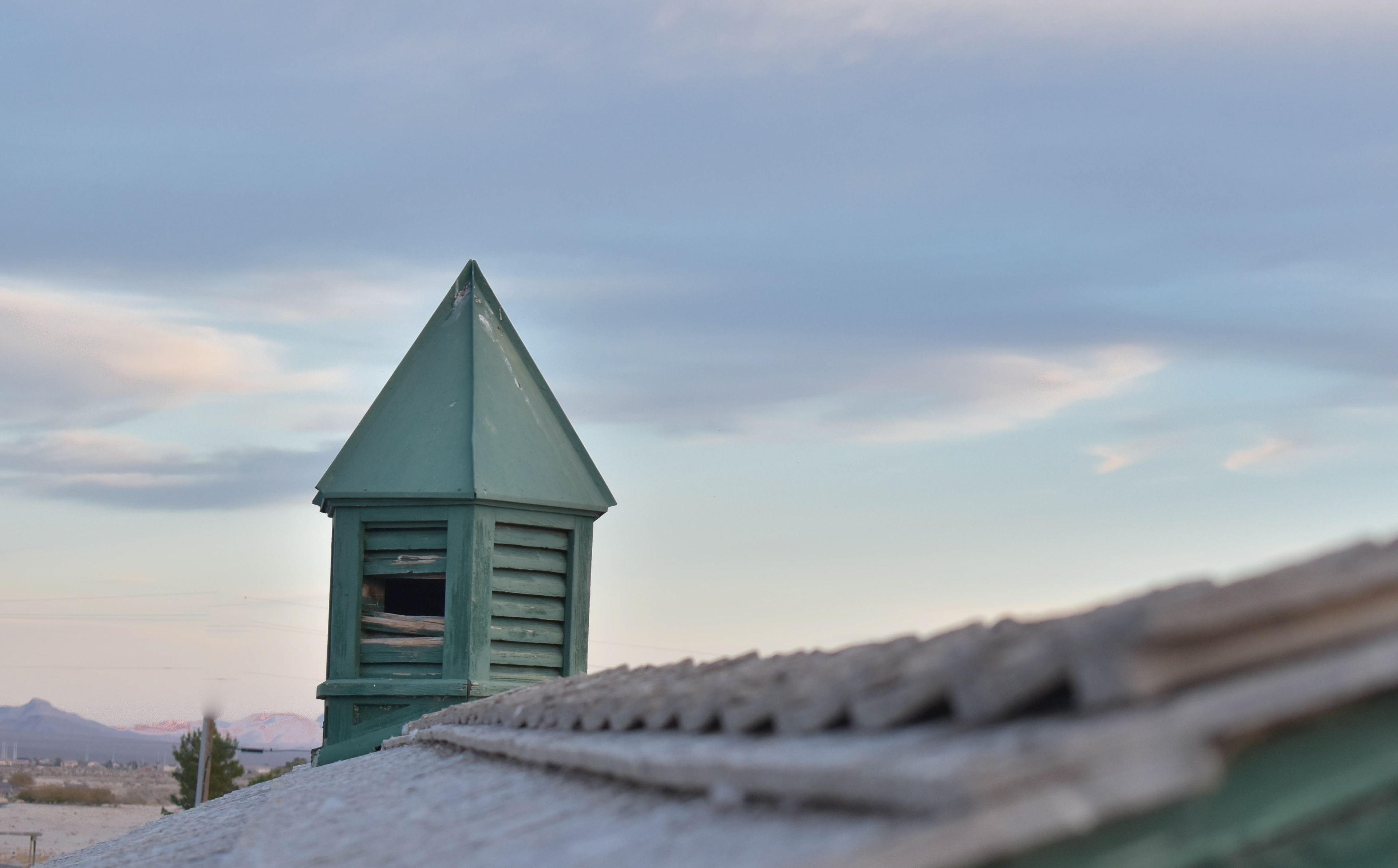
Rule of Thirds focus on top
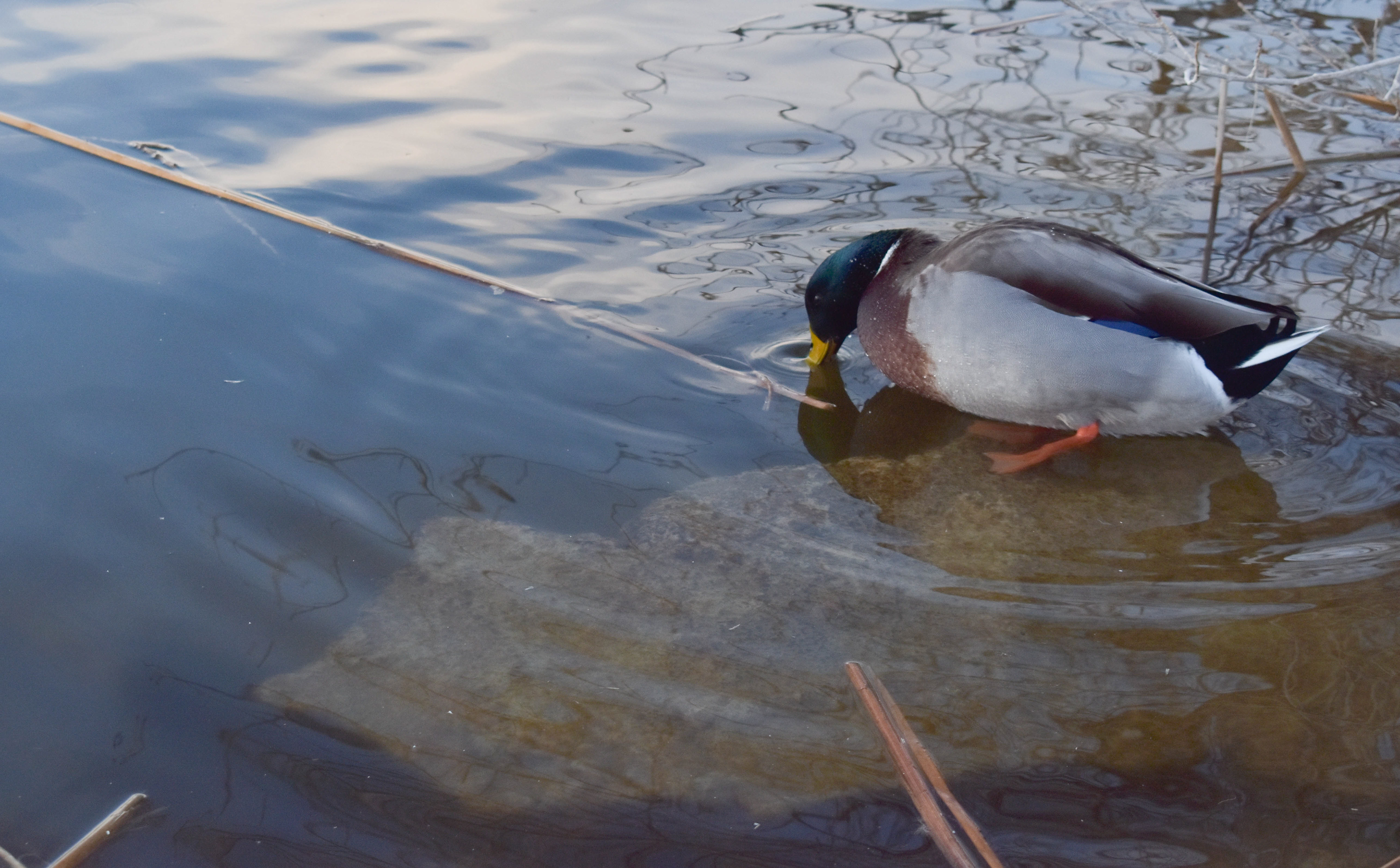
Rule of Thirds focus on the duck
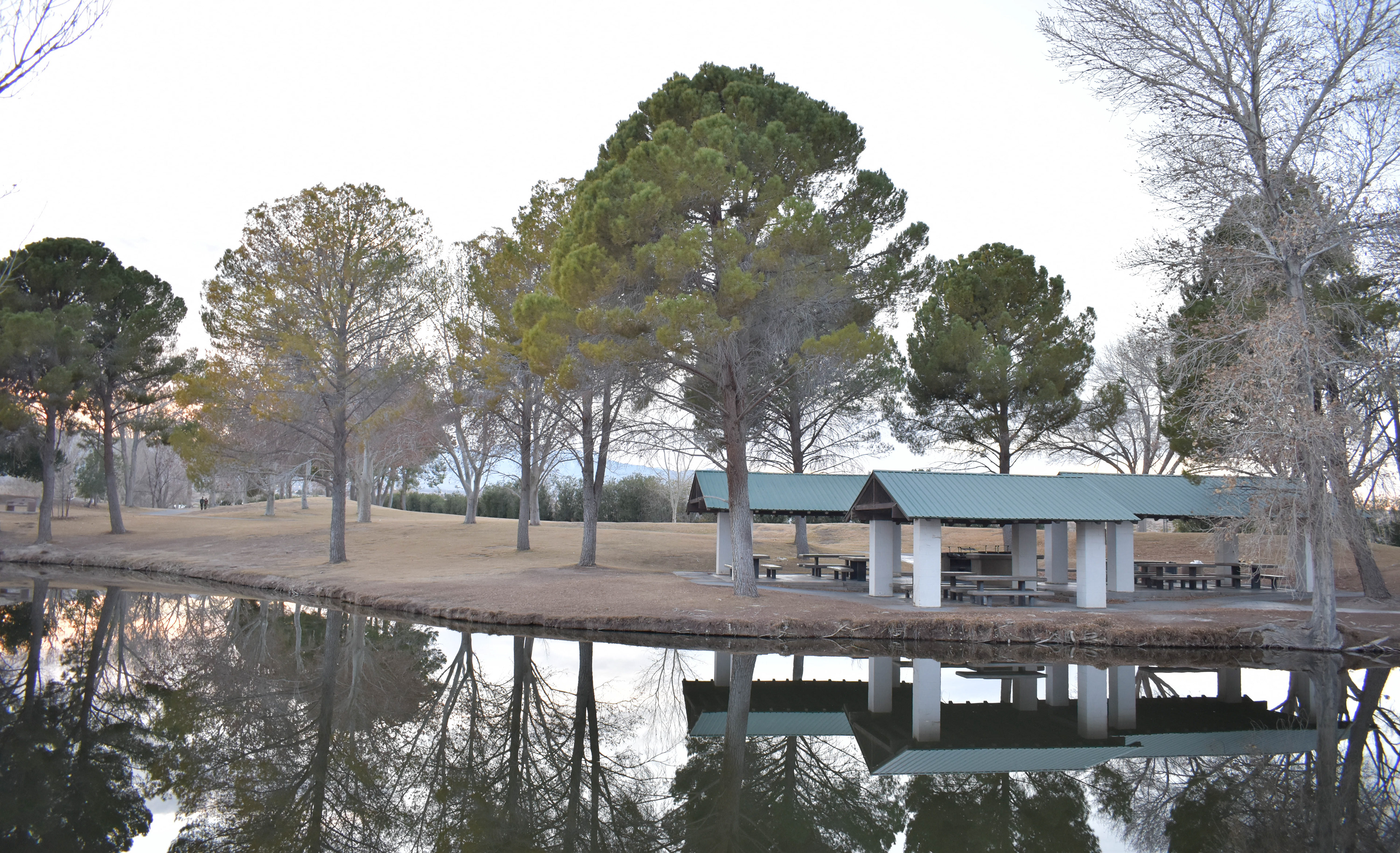
Rule of Thirds focus on the lake line
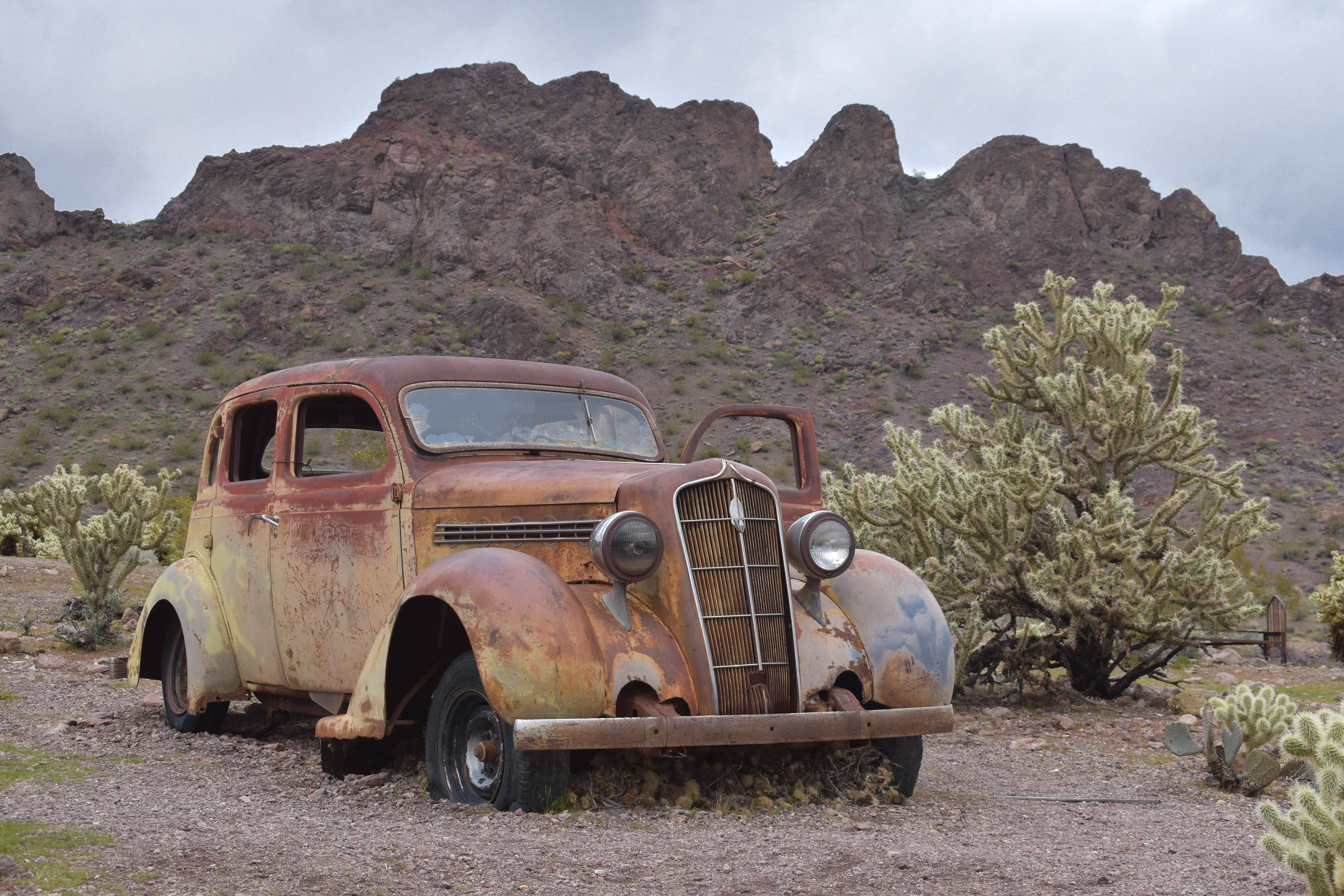
Rule of Thirds focus on the car
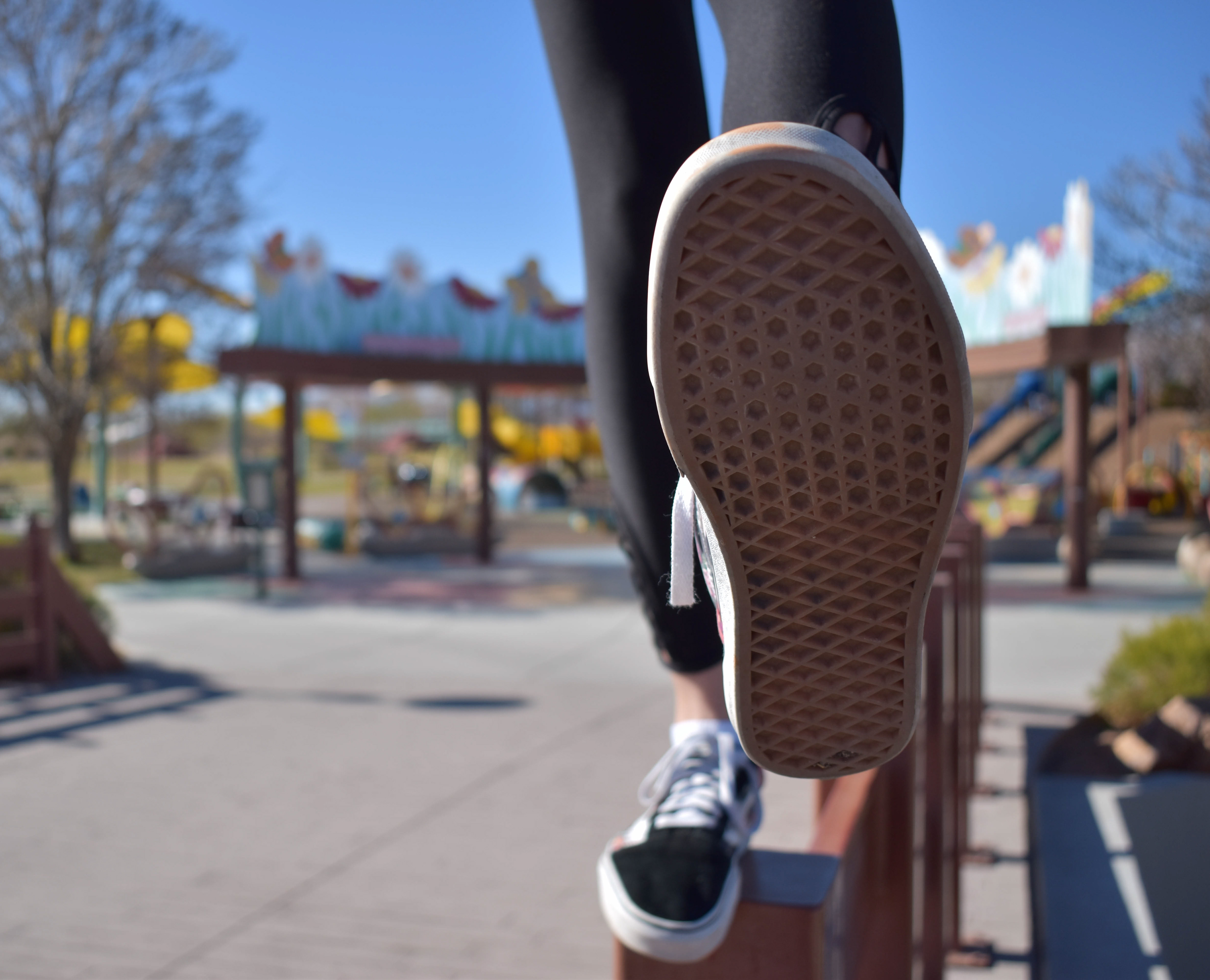
Rule of Thirds focus on the shoe

Rule of Thirds focus on the drinks
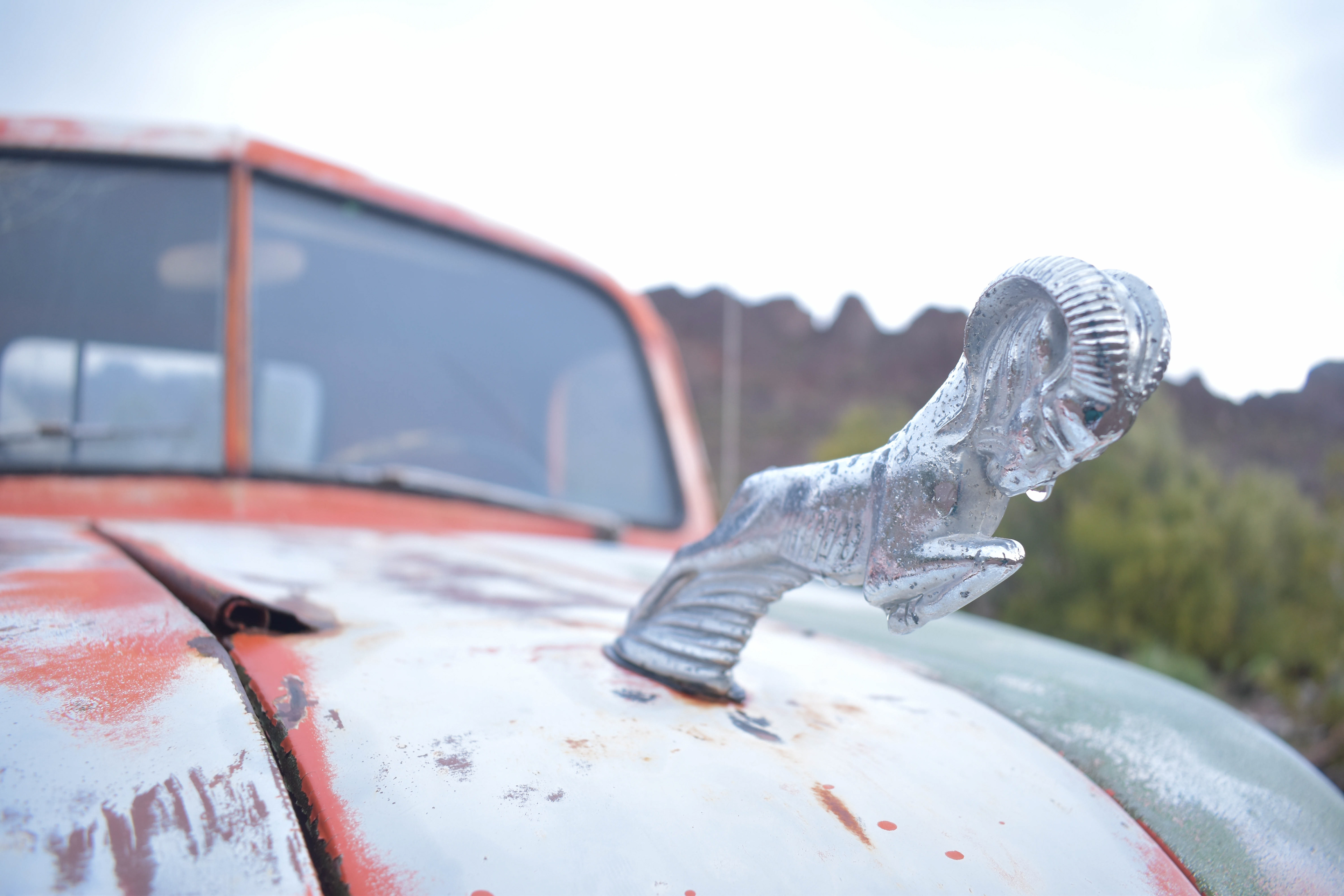
Rule of Thirds focus on the hood
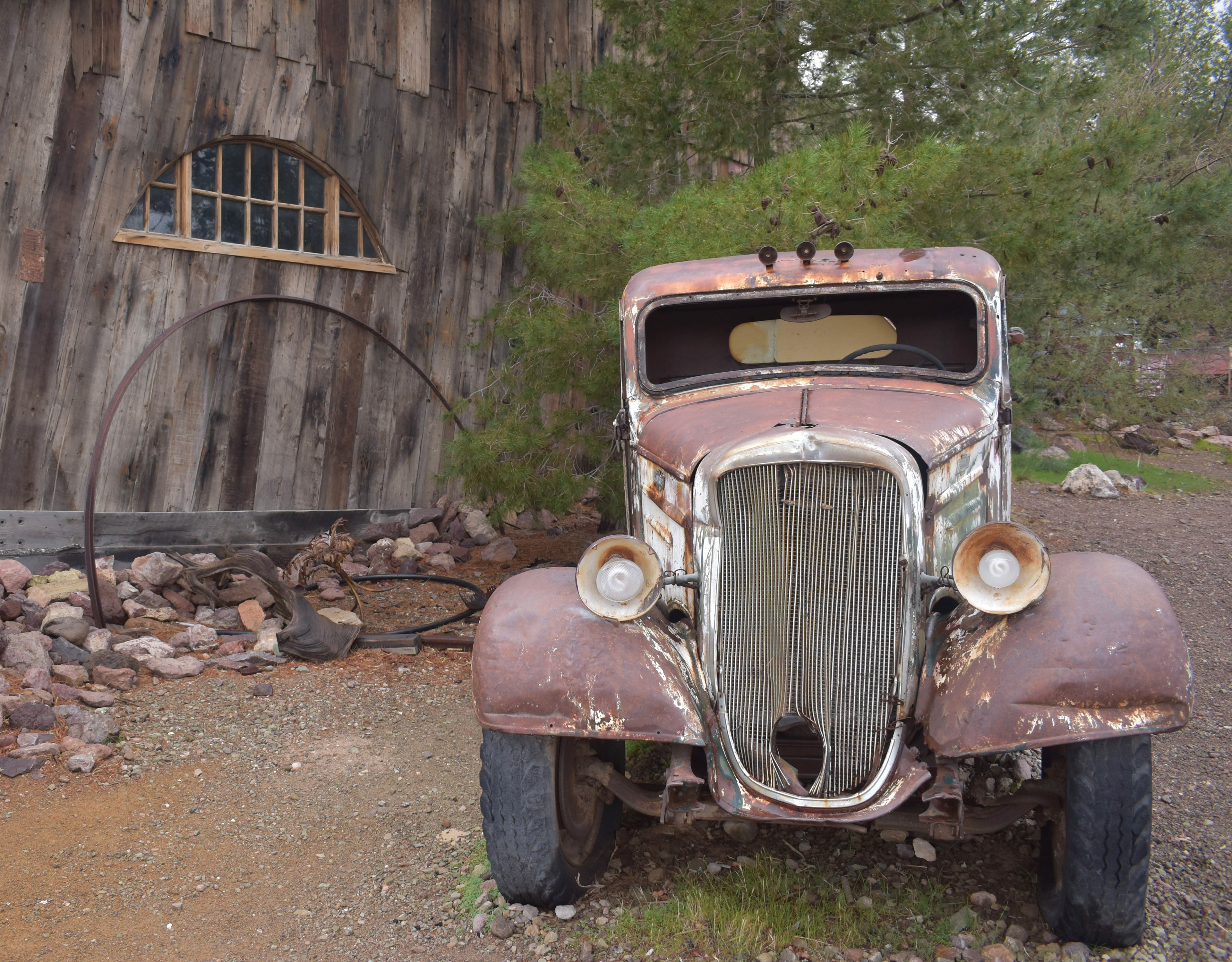
Rule of Thirds focus on the car
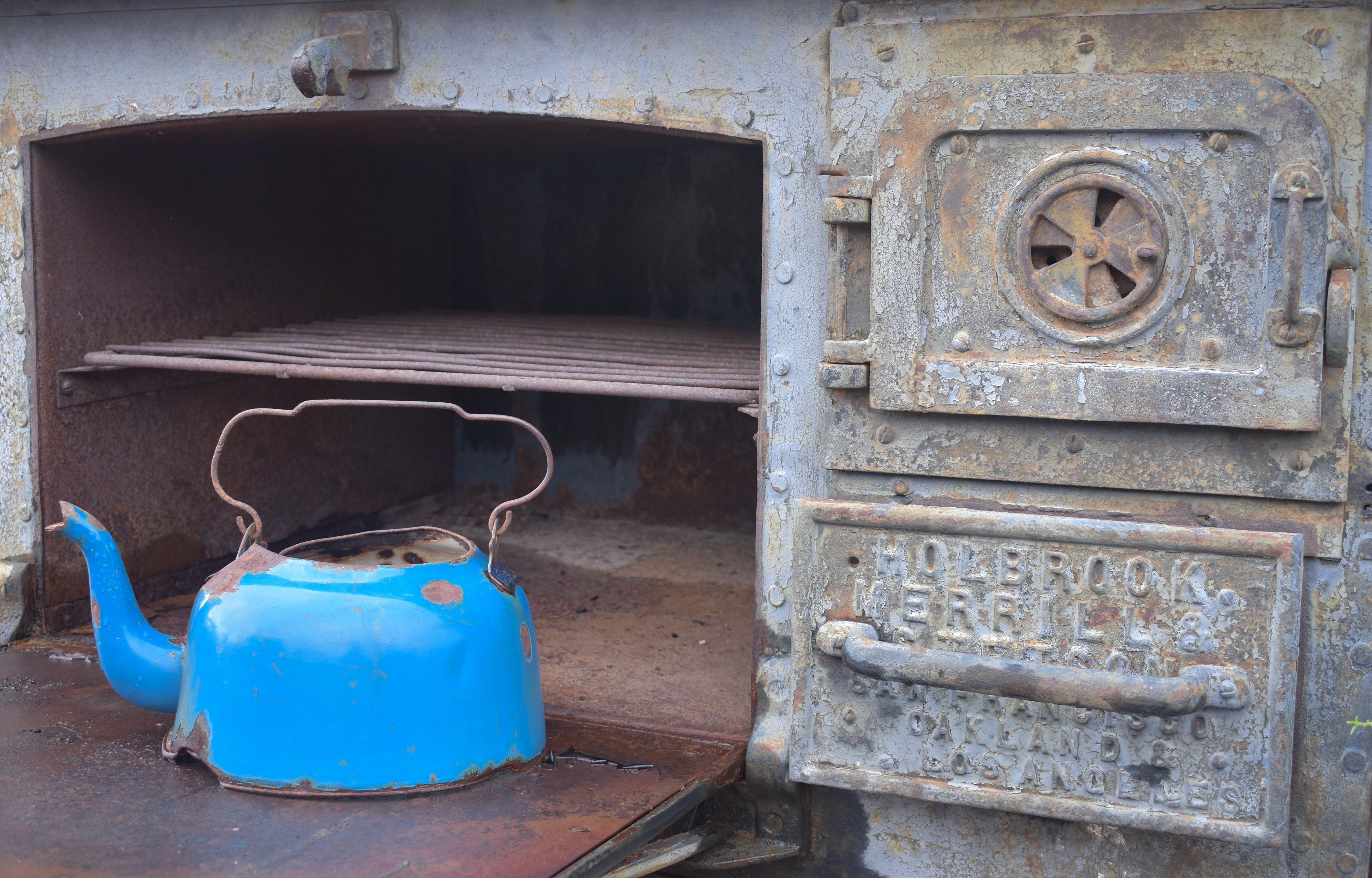
Rule of Thirds focus on the pot
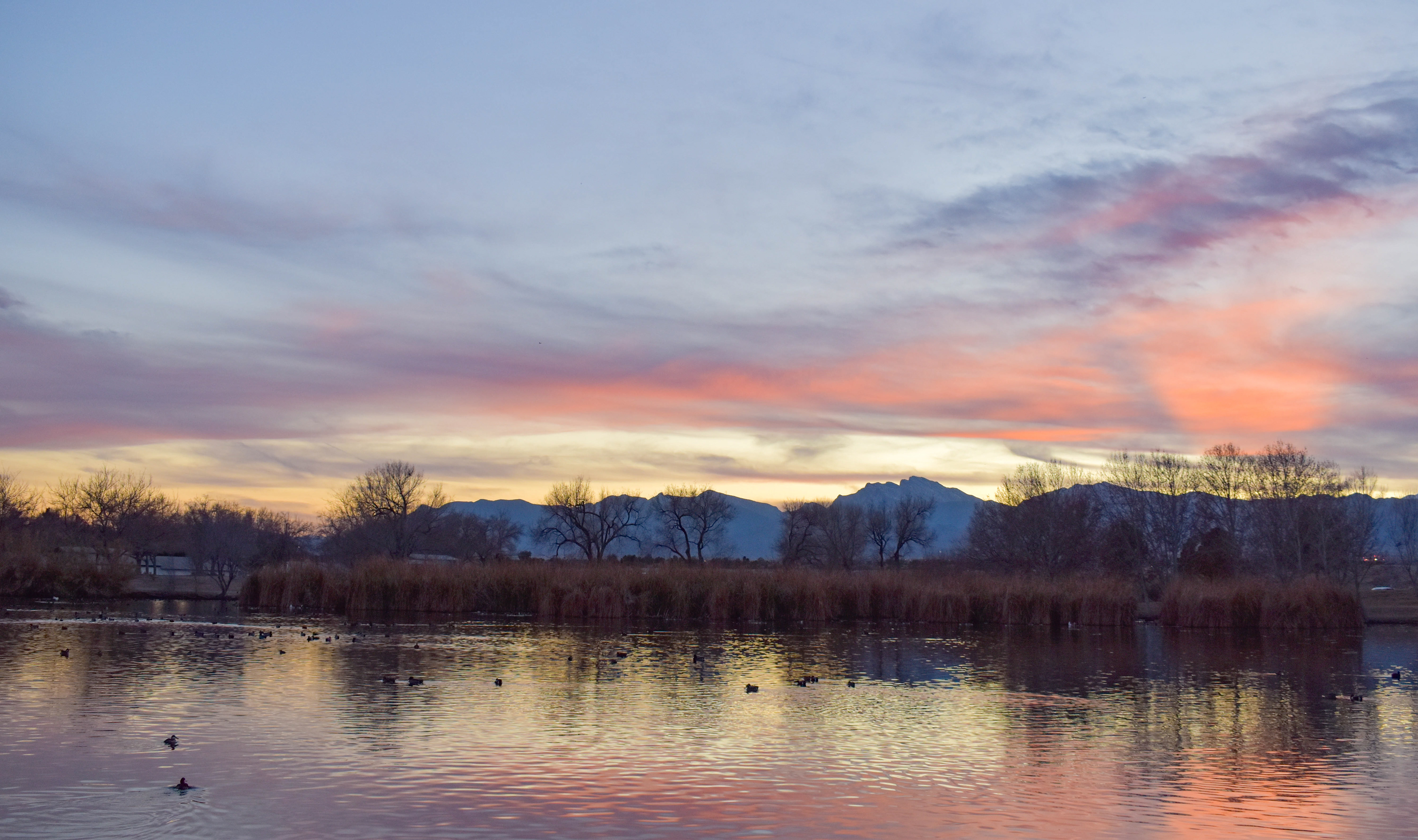
Rule of Thirds focus on the horizon line
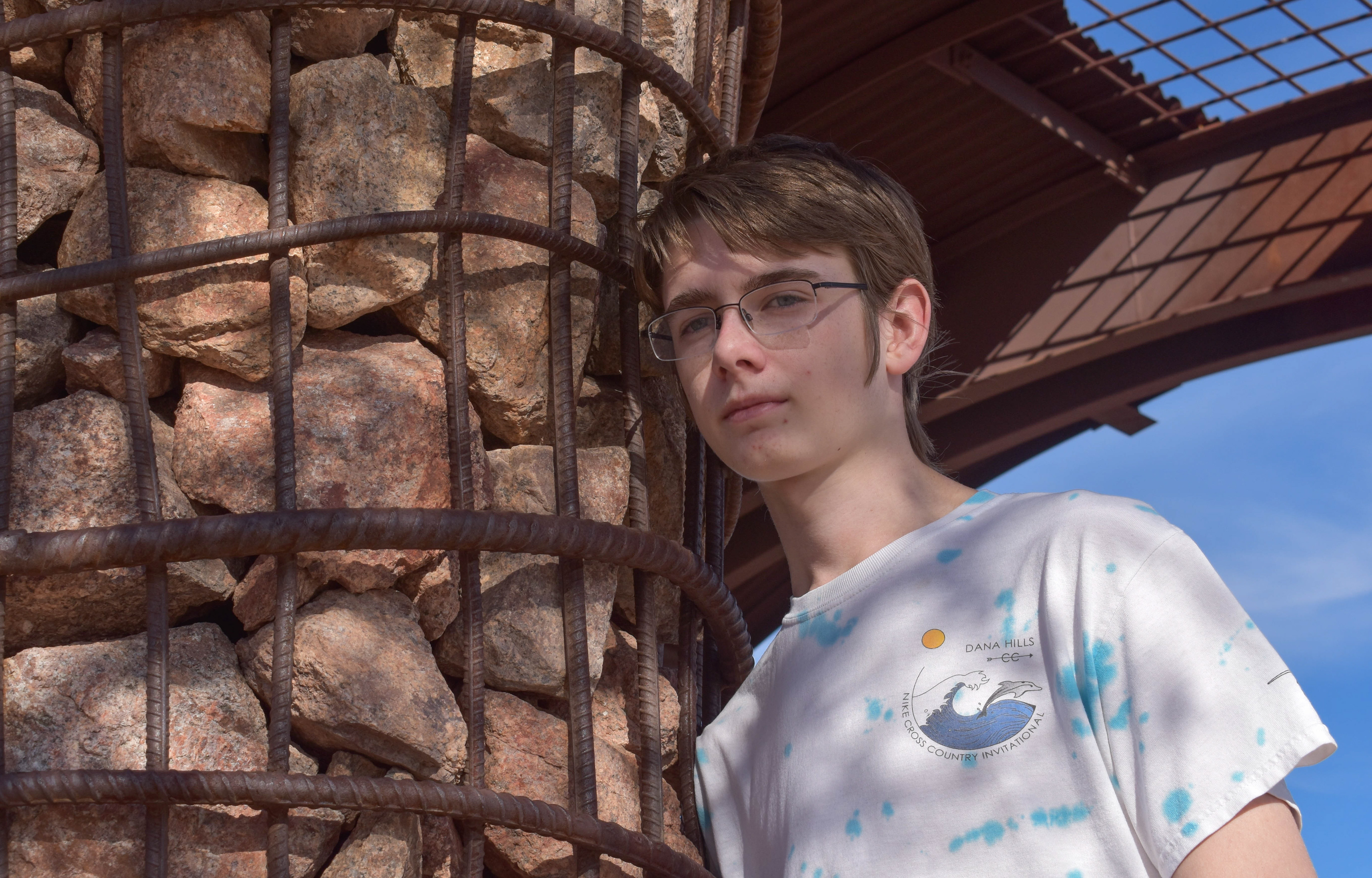
Rule of Thirds focus on the subect
In the above photographs the rule of thirds was the main focus. The rule of thirds is a practice of placing the subject on the intercept of a three-by-three if a grid was placed over the photograph. The main goal of this practice is to create an off-balance tension in the photograph to attract the attention of the viewer. It creates a different feeling to the photograph than centering the subject in the middle does. Each of these photographs were shot during a photography class I attended. I had to take the photograph, edit and submit each shot I took for evaluation.
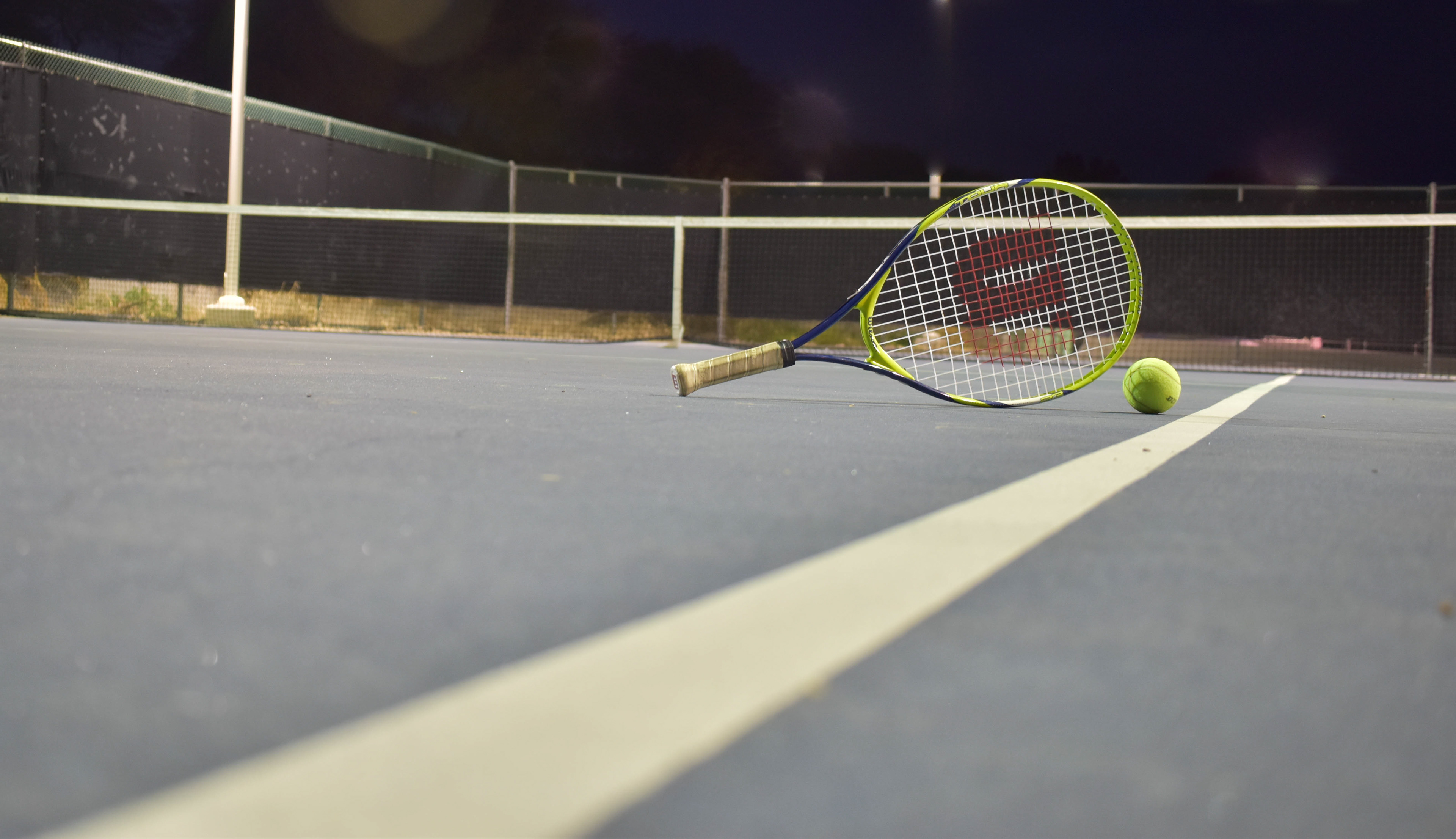
Leading Line to racket
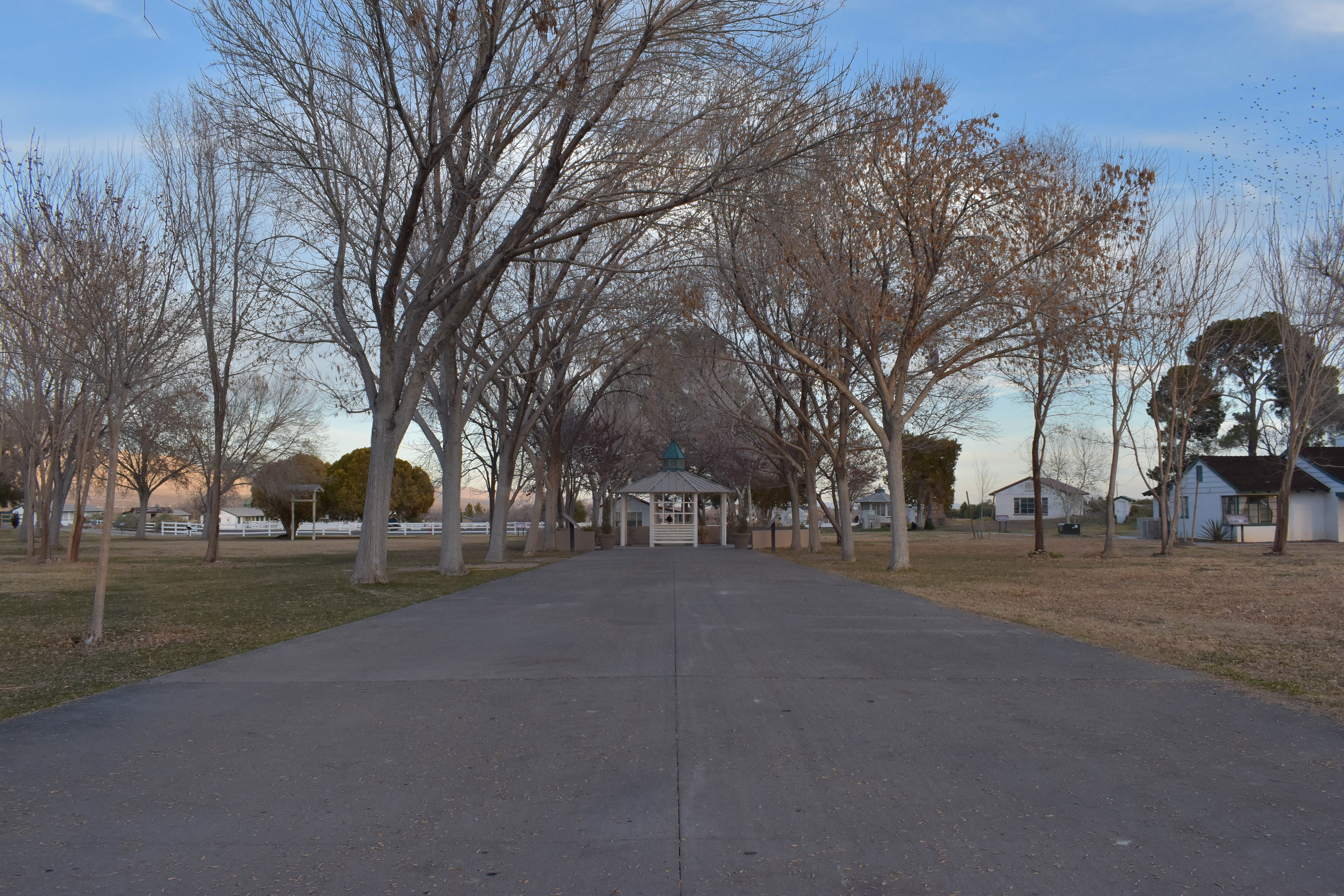
Leading Line to building
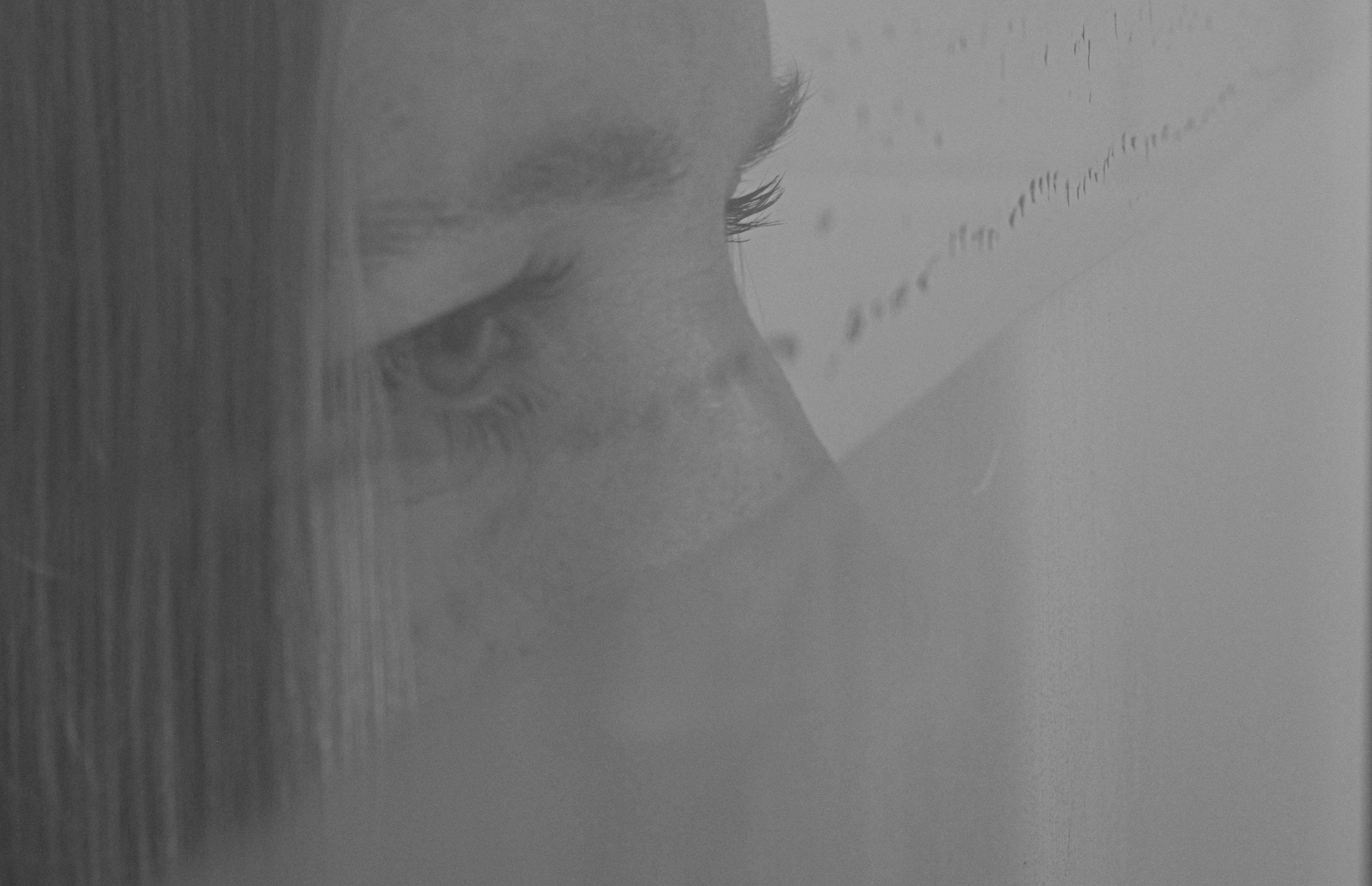
Leading Line to subject

Leading Line from subject

Leading Line to bottle
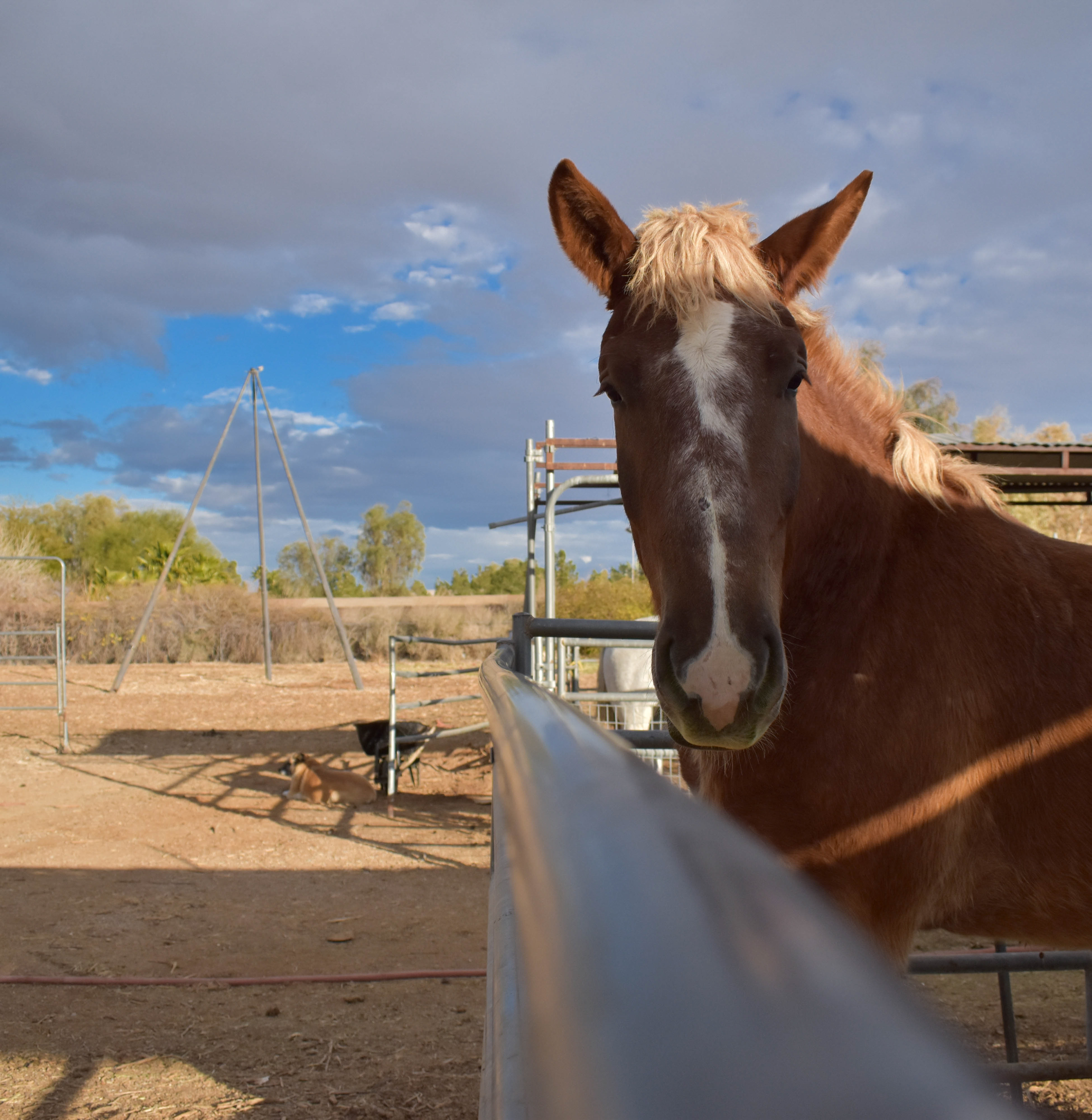
Leading Line to horse
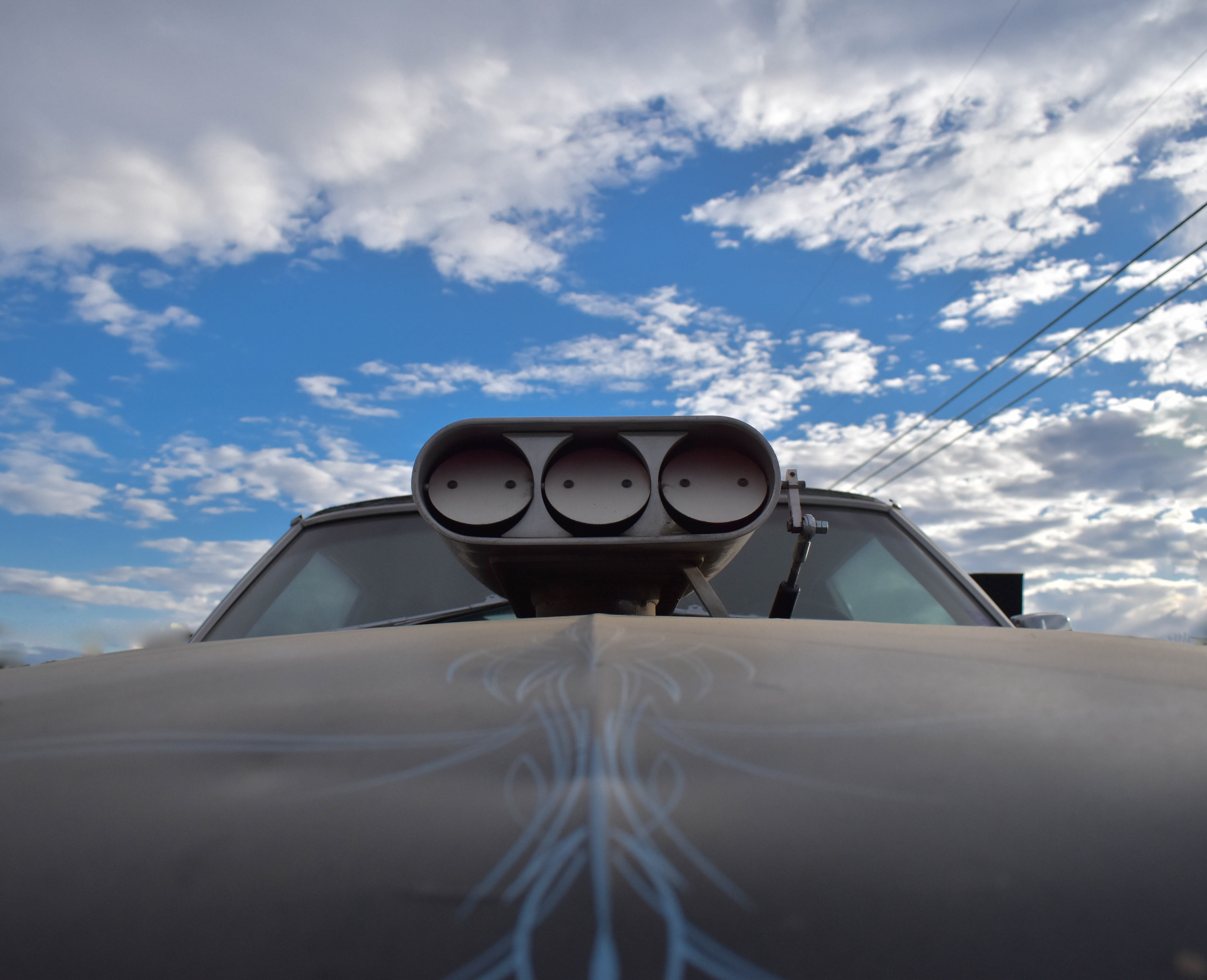
Leading Line to intake
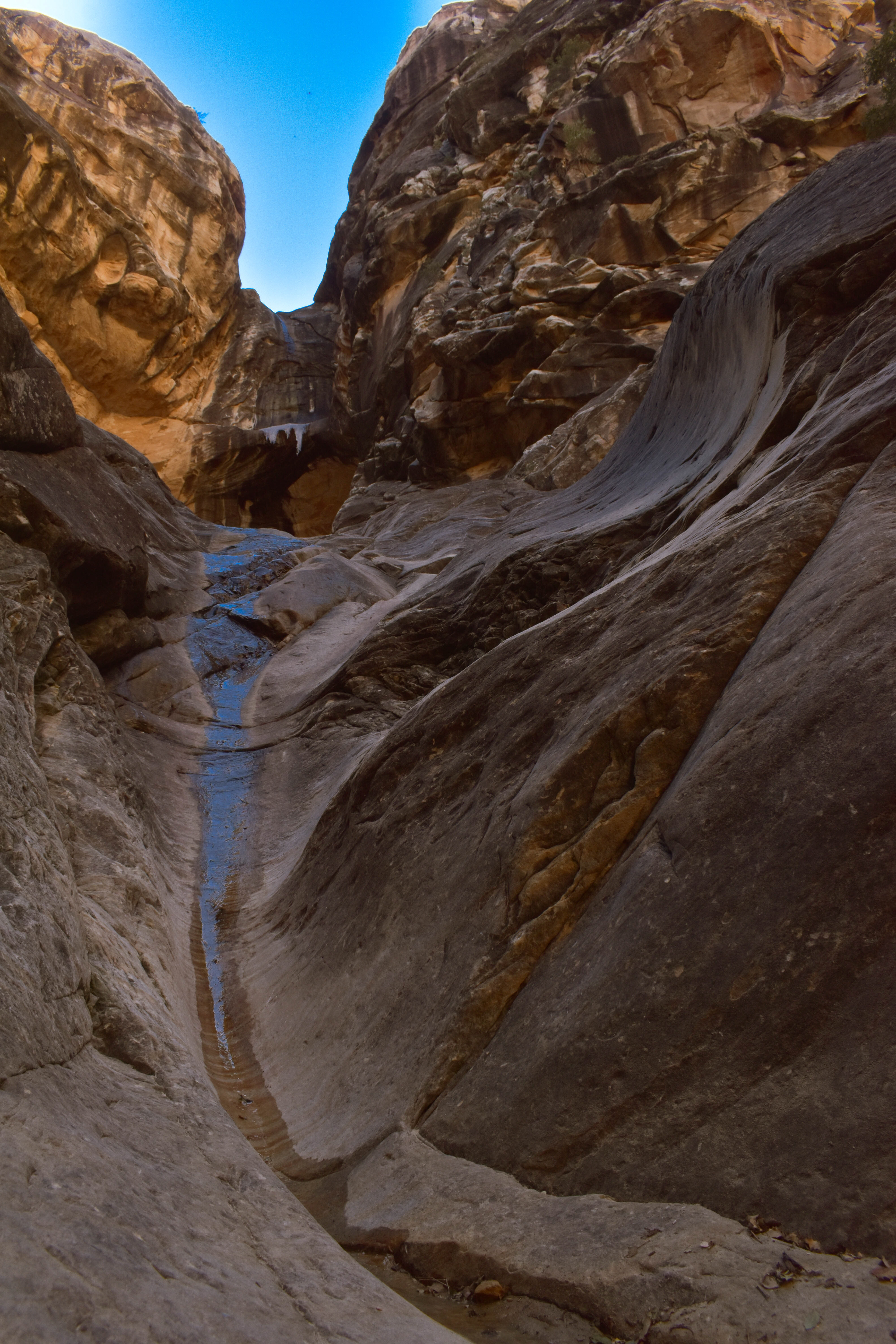
Leading Line to sky
In these above photographs leading lines to the subject was the main focus. Leading lines is a photography practice where natural lines are used in a photograph. The objective of these lines is to lead the viewer to the subject or highlight the subject in a way to catch the eye of the viewer. The lines help the viewer read the picture almost like we would read a book. Each of these photographs were shot during a photography class I attended. Once again, I had to take the photograph, edit and submit each shot for evaluation. I enjoy finding ways to incorporate this practice into my photographs.
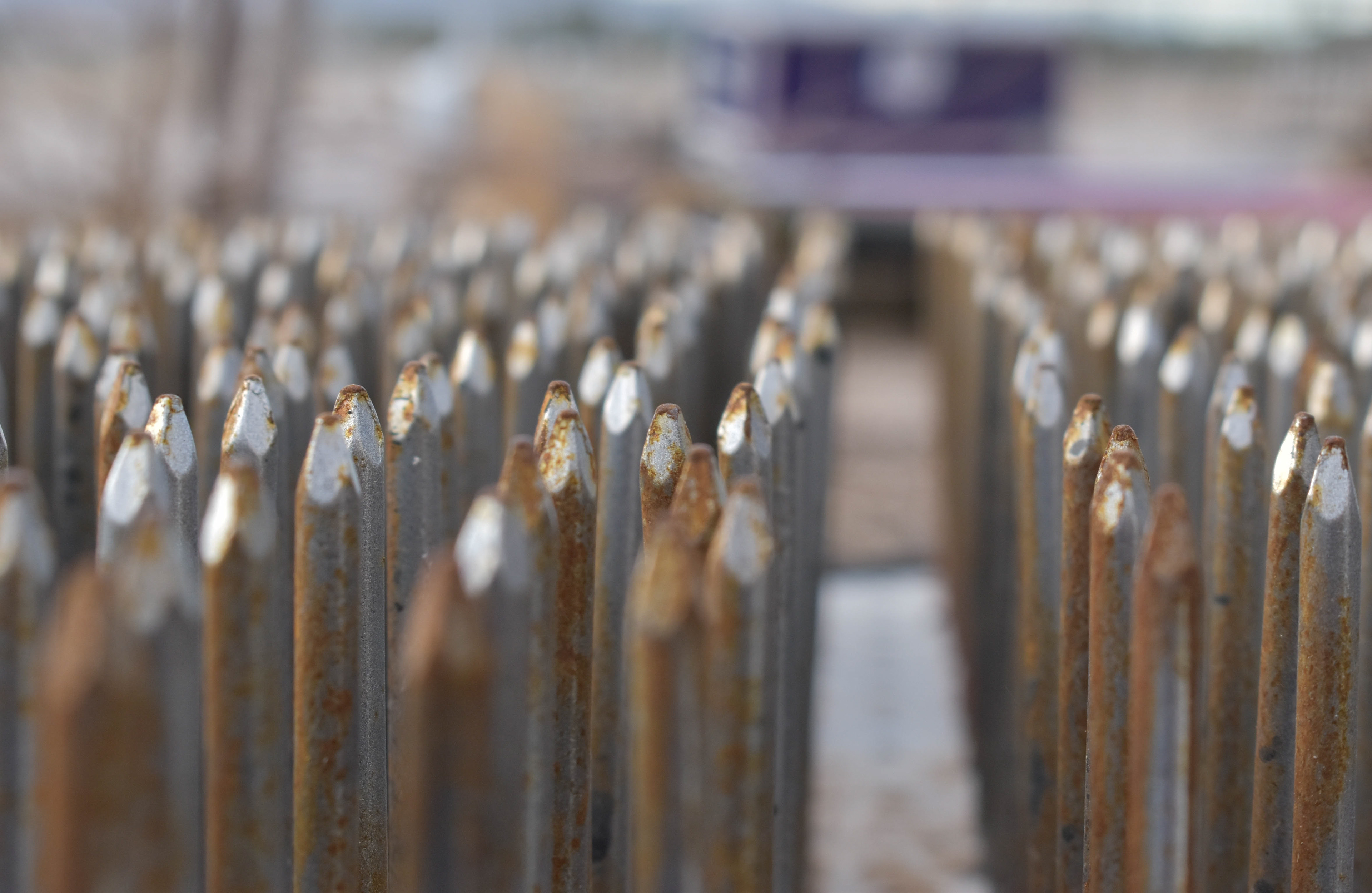
Pattern break by space
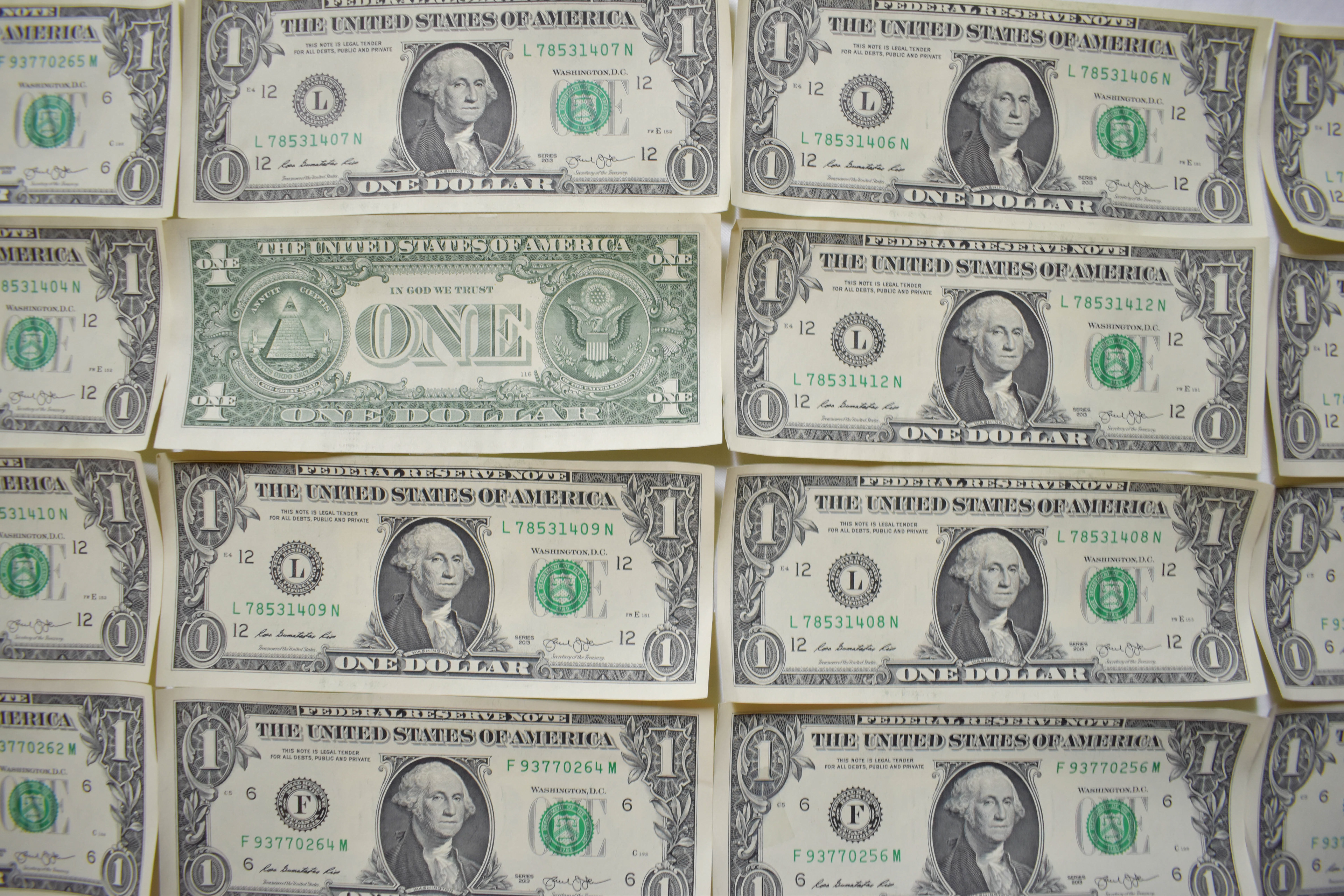
Pattern break by dollar back
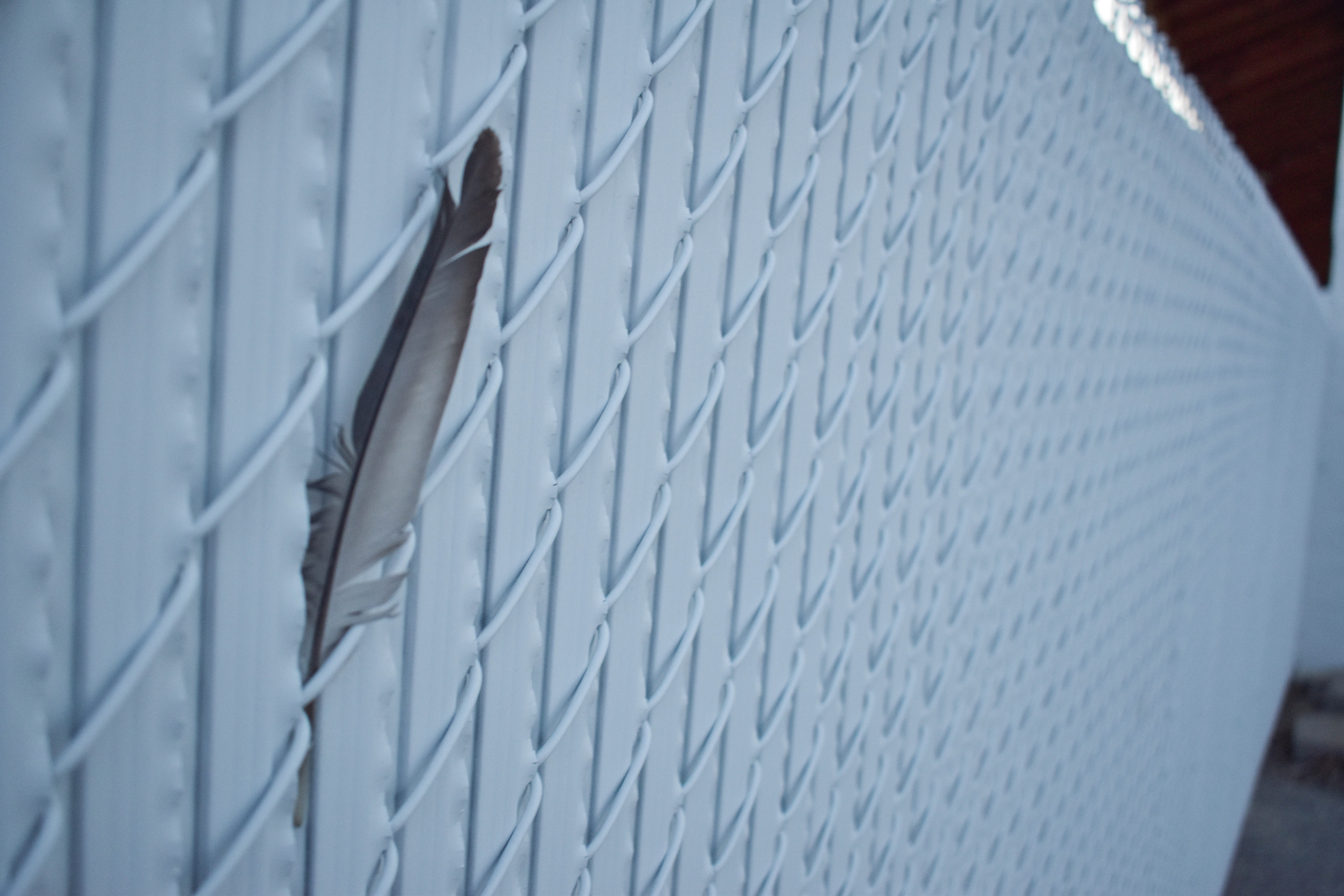
Pattern break by feather
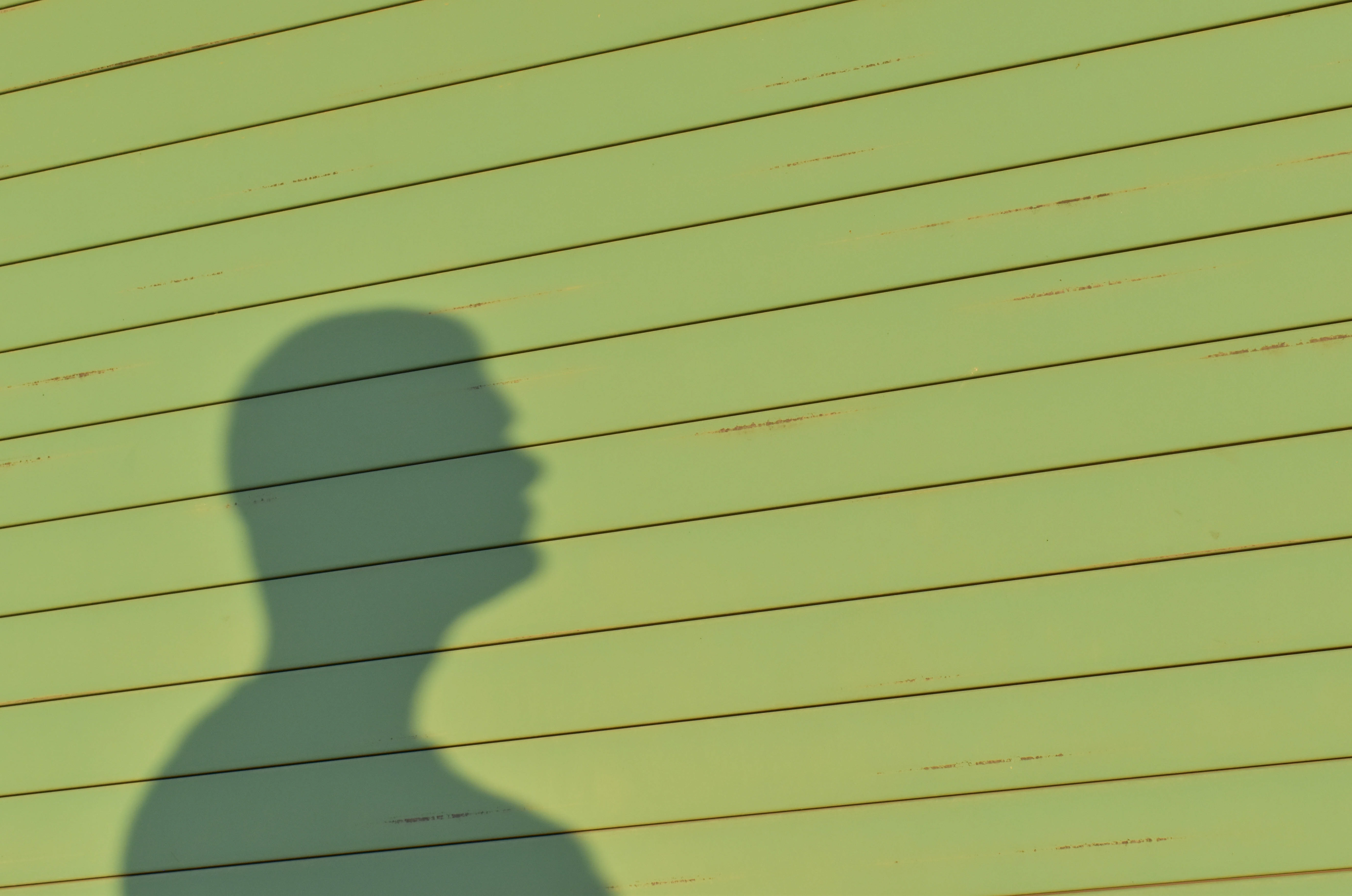
Pattern break by shadow
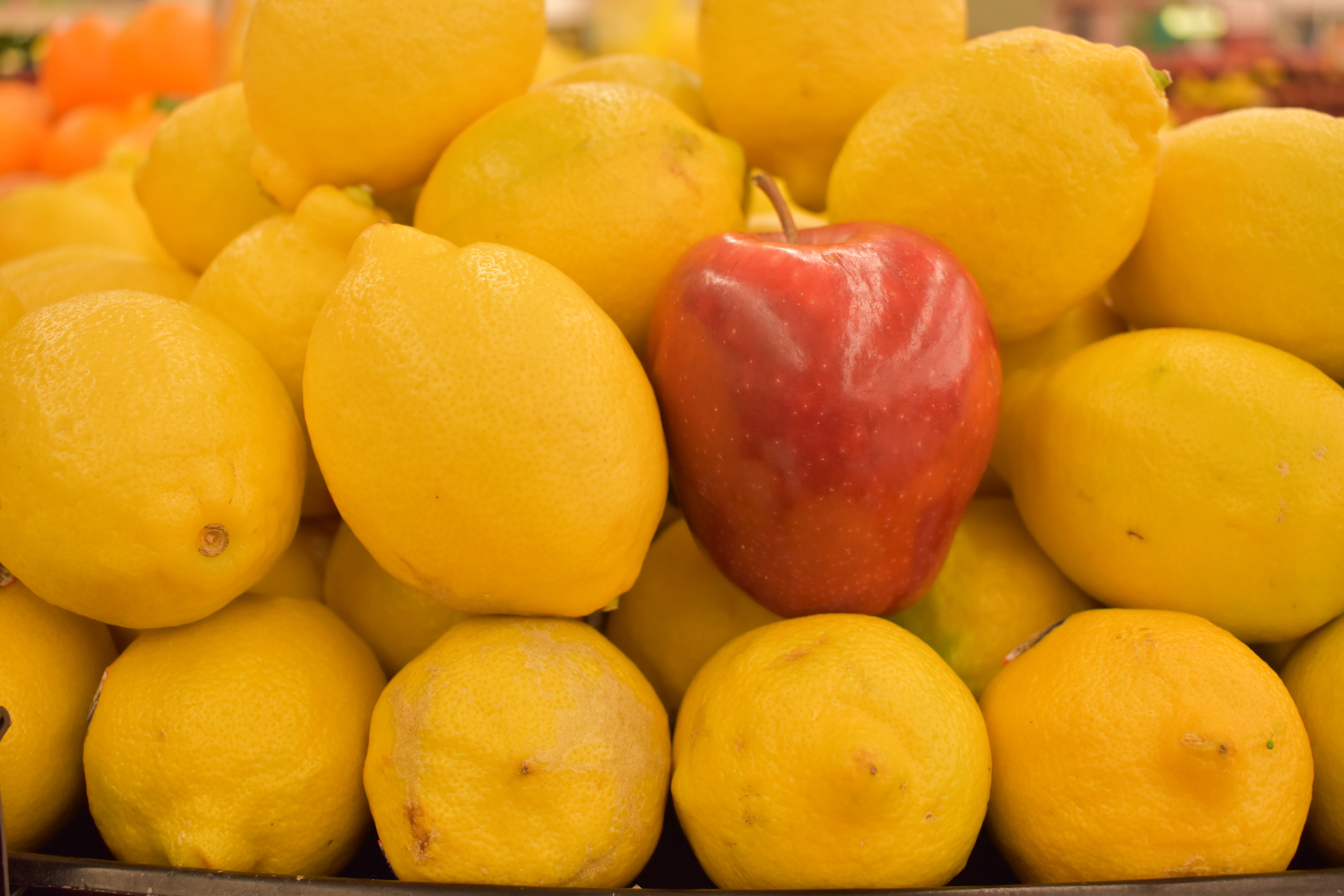
Pattern break by apple
In this group of photographs, I was asked to find or create a pattern. Recognizing the patterns found in photography can be a tool used to create a focus on the subject. If the subject breaks the pattern, that break can create a contrast to pull the viewer’s eye to focus on the subject. Many patterns are normal in nature and architecture. Again, these photographs were shot during a photography class I attended. I had to take the photograph, edit and submit each shot for evaluation. I liked building and finding patterns that create an appeal to the eye and catching the moment with the camera.
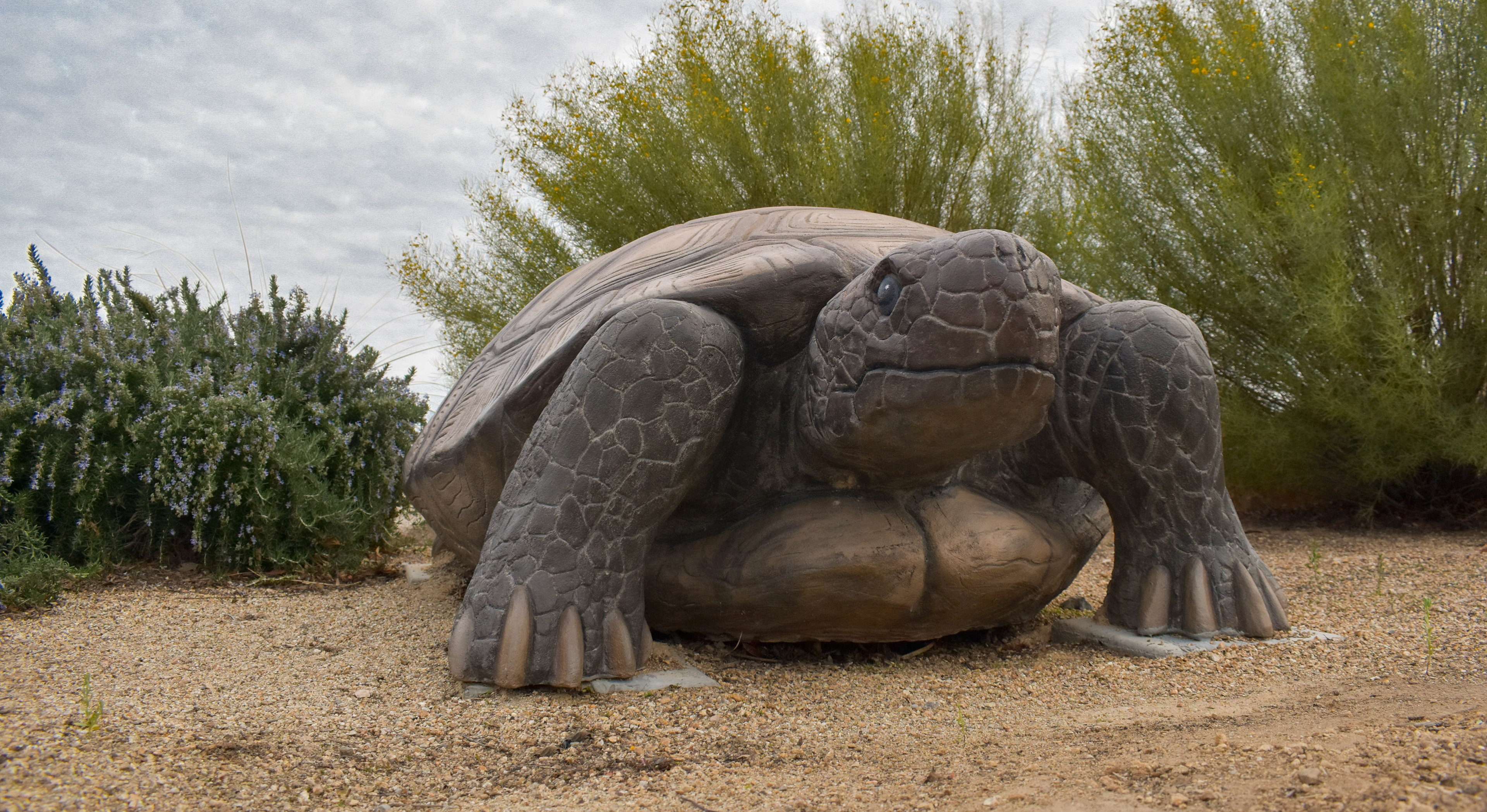
Ground Perspective
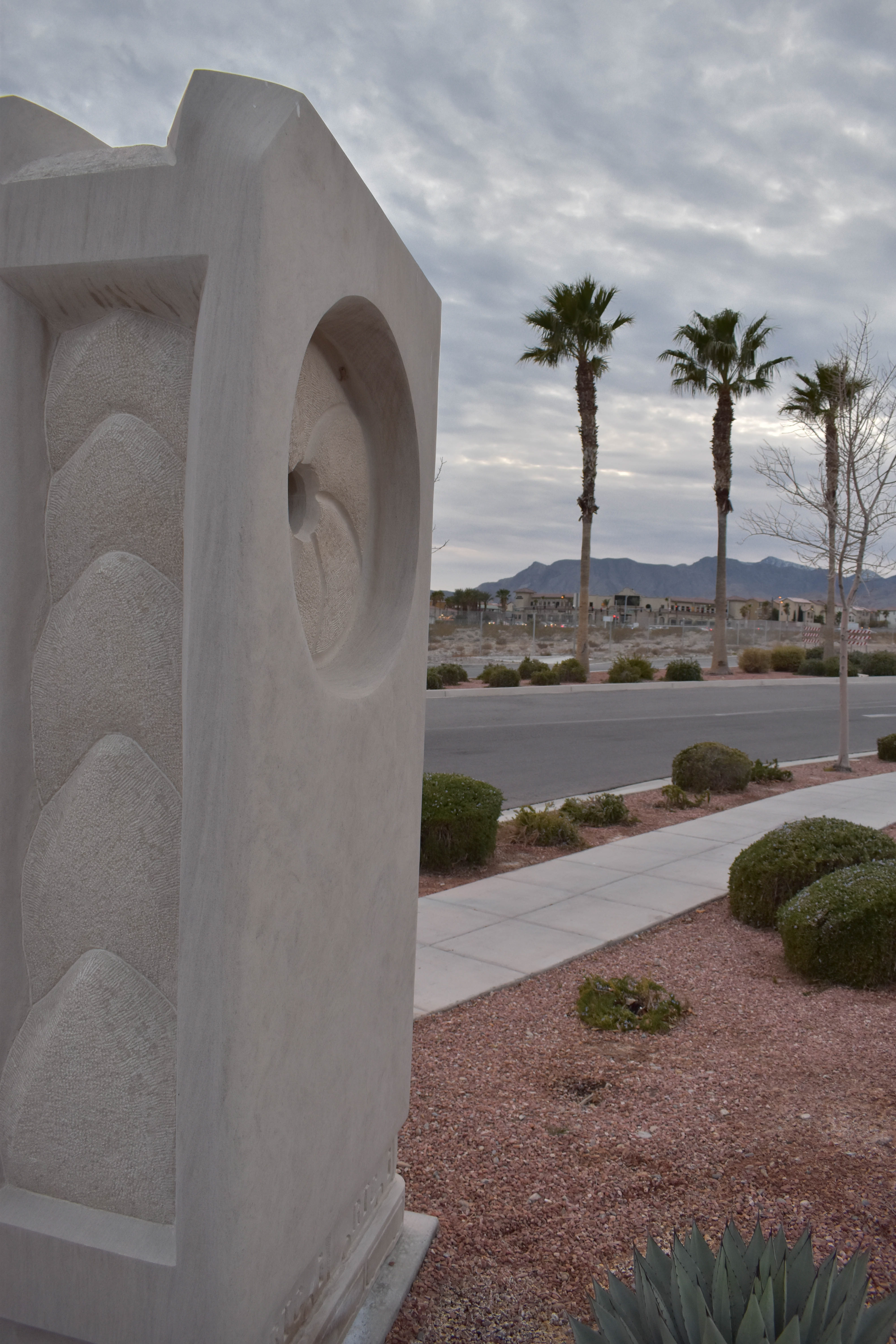
Side Perspective
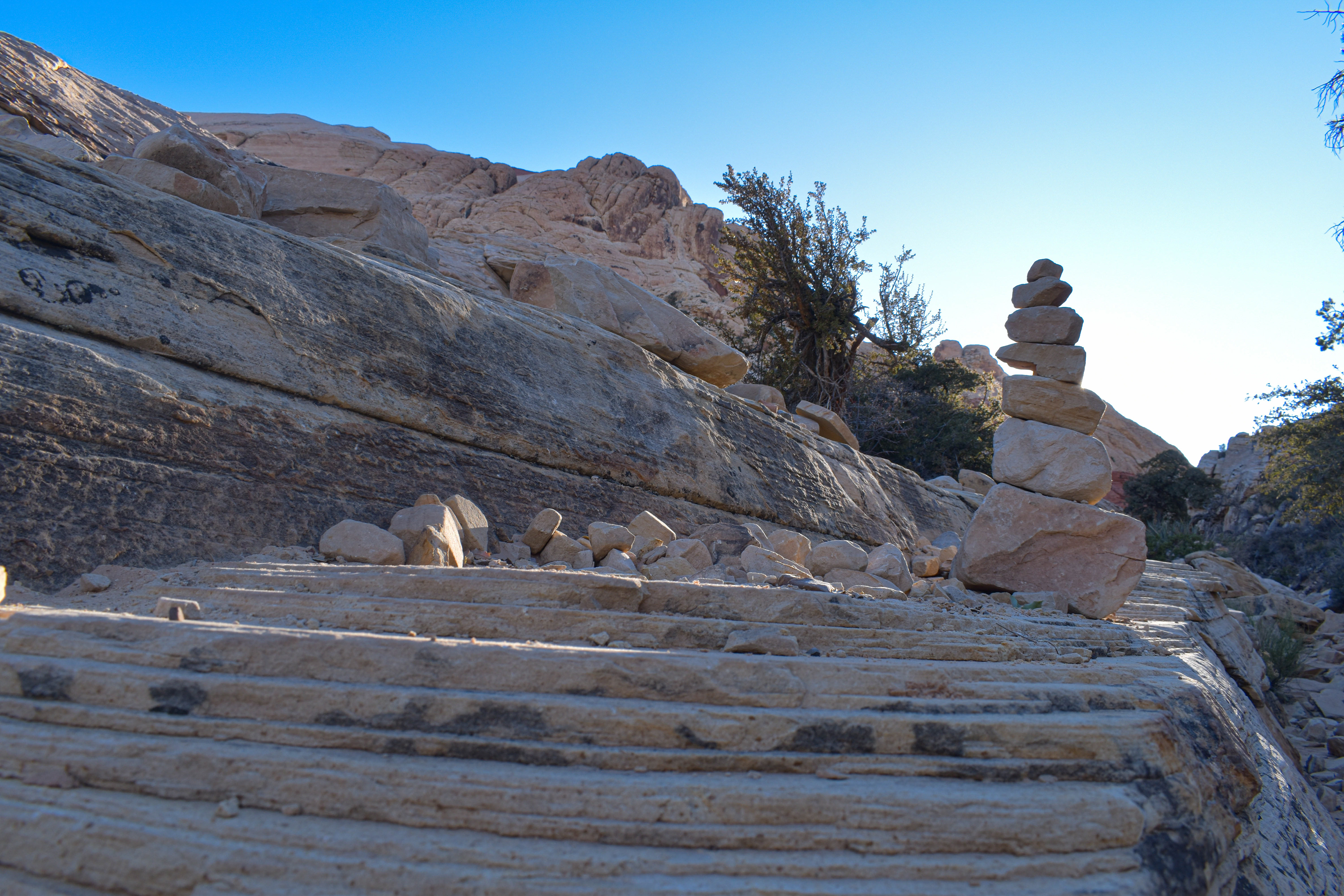
Ground Perspective
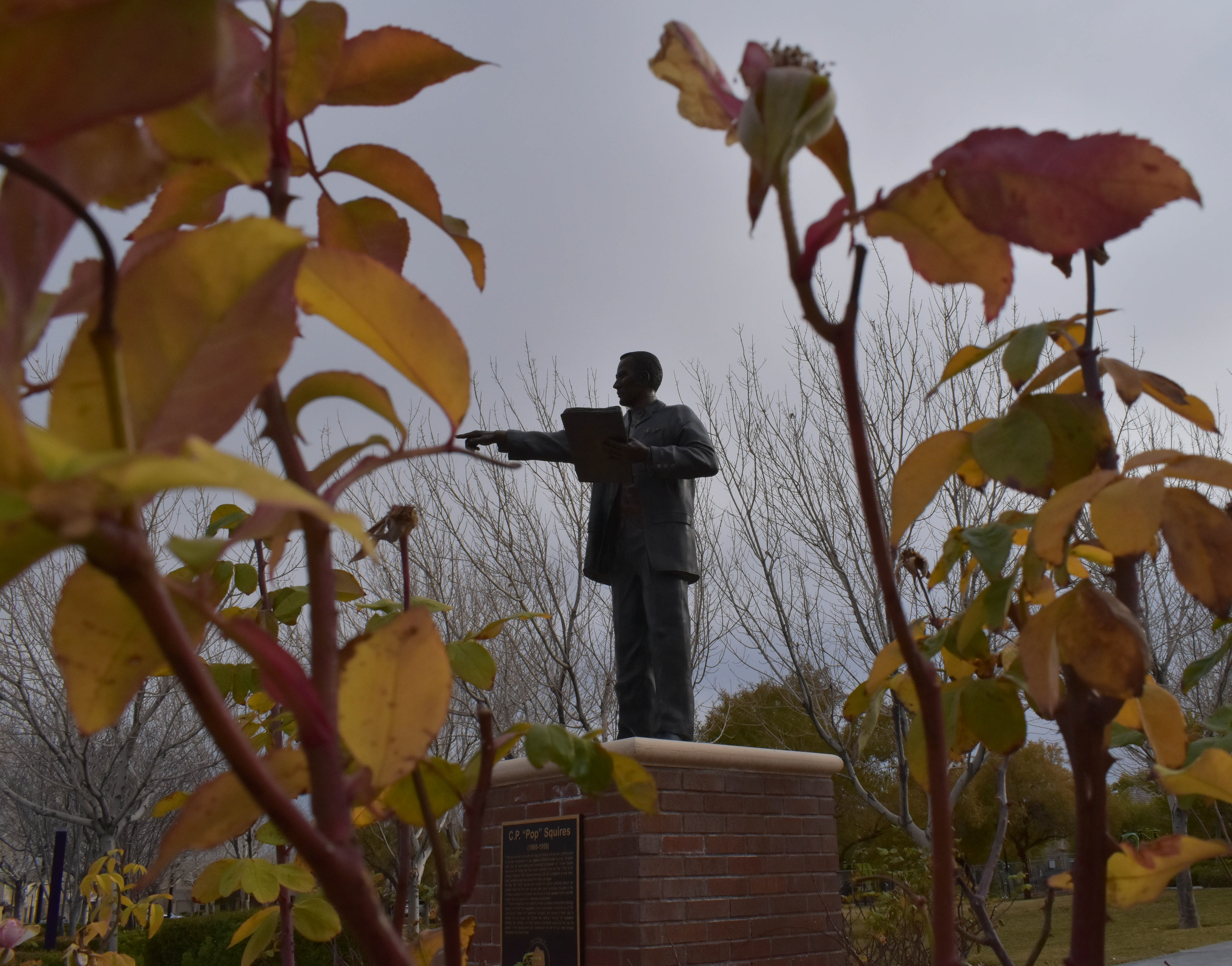
Right Perspective
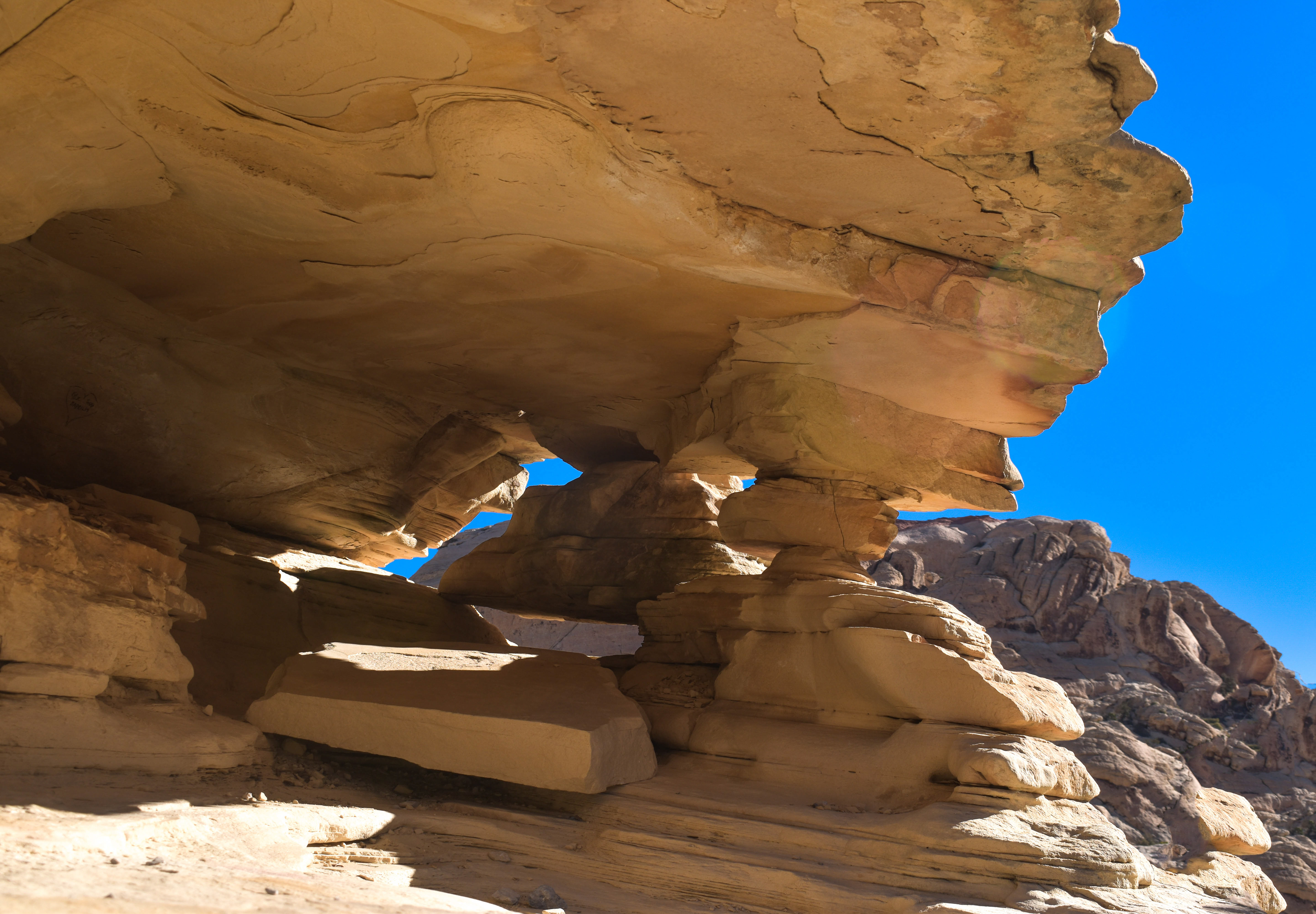
Low Perspective
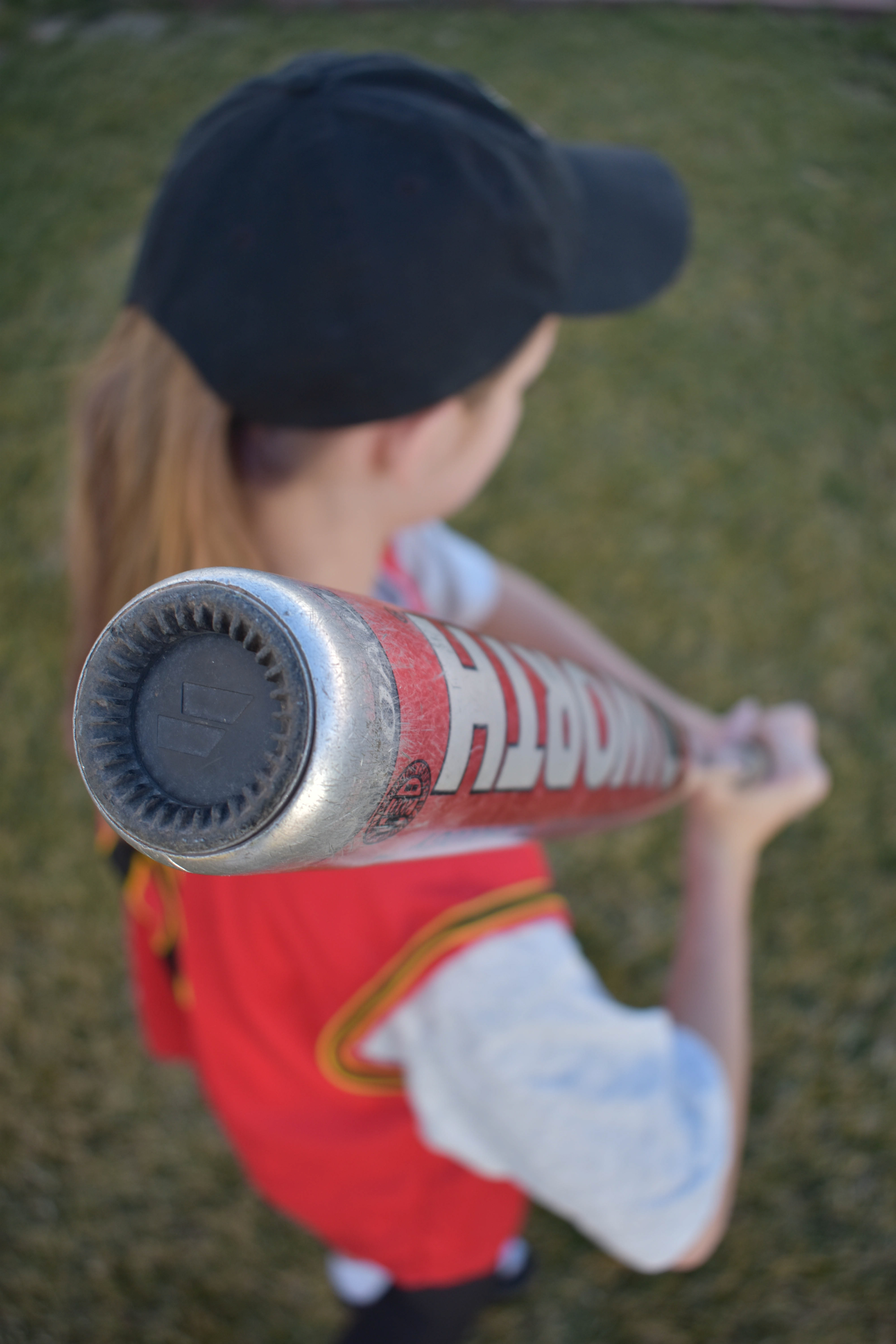
High Perspective
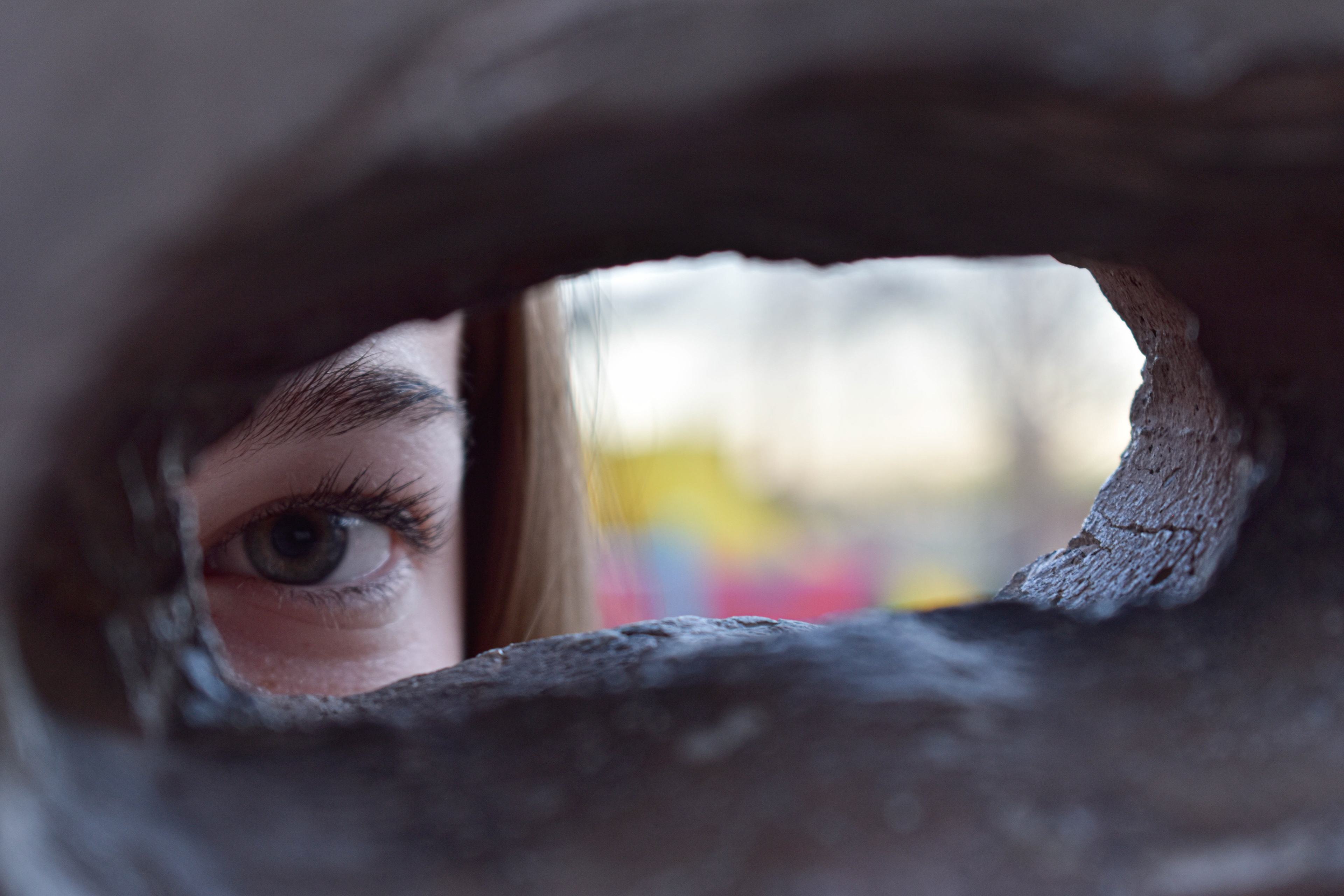
Close Perspective
For this group of photographs, I learned about different perspectives a photograph could be taken from. Perspective can change the entirety of a photograph simply by stepping to the left or right, finding a higher or lower ground. These movements can create a different focus or sometimes even a different subject. I like to use several perspectives in photography when I have the chance, sometimes it comes from preplanning the shot. Ever subject does not always give a second chance to best perspective angle. These photographs are a mixture of photographs for class and personal photographs. The class photographs were taken, edited, and submitted for evaluation.
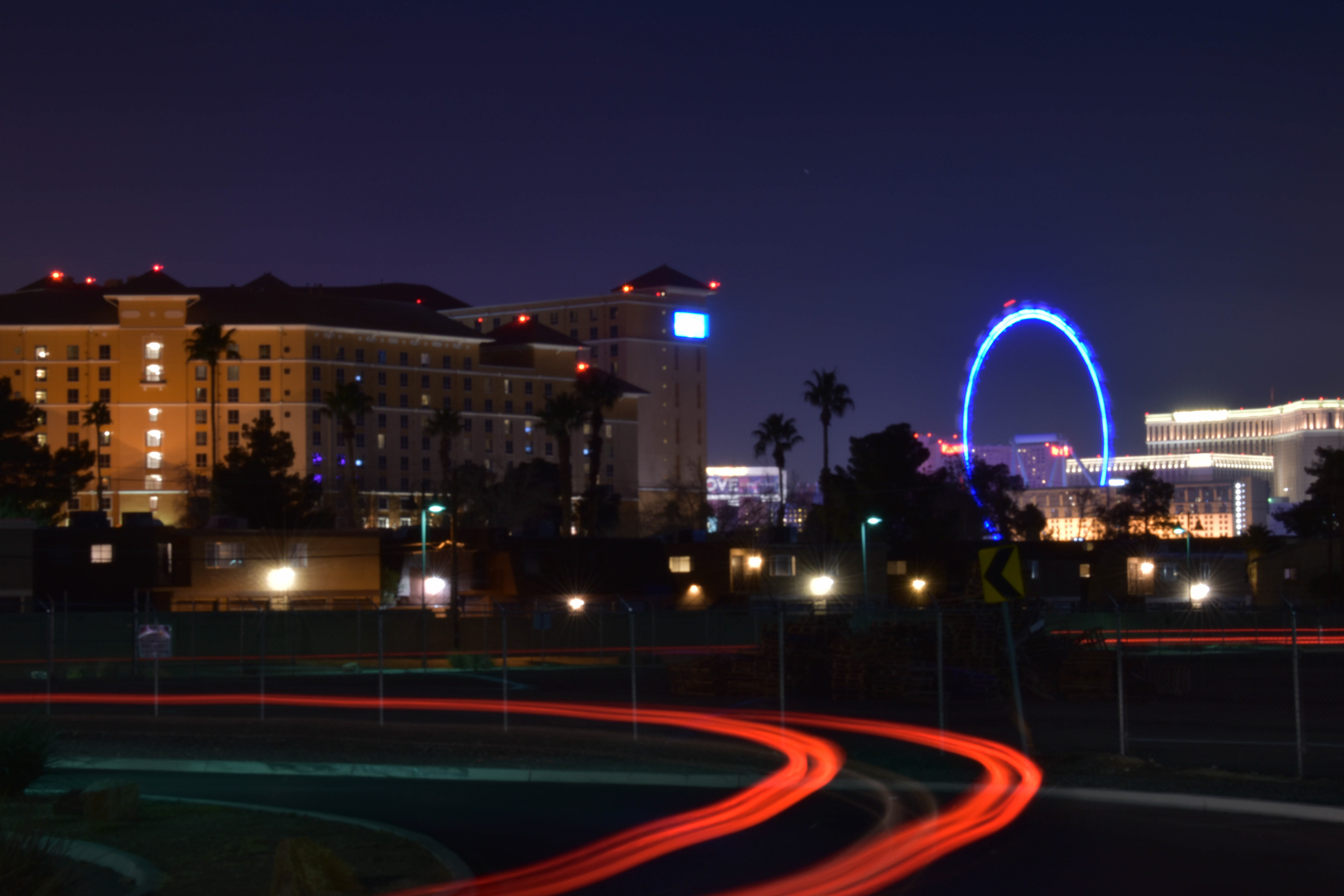
Very Slow Shutter

Slow Shutter
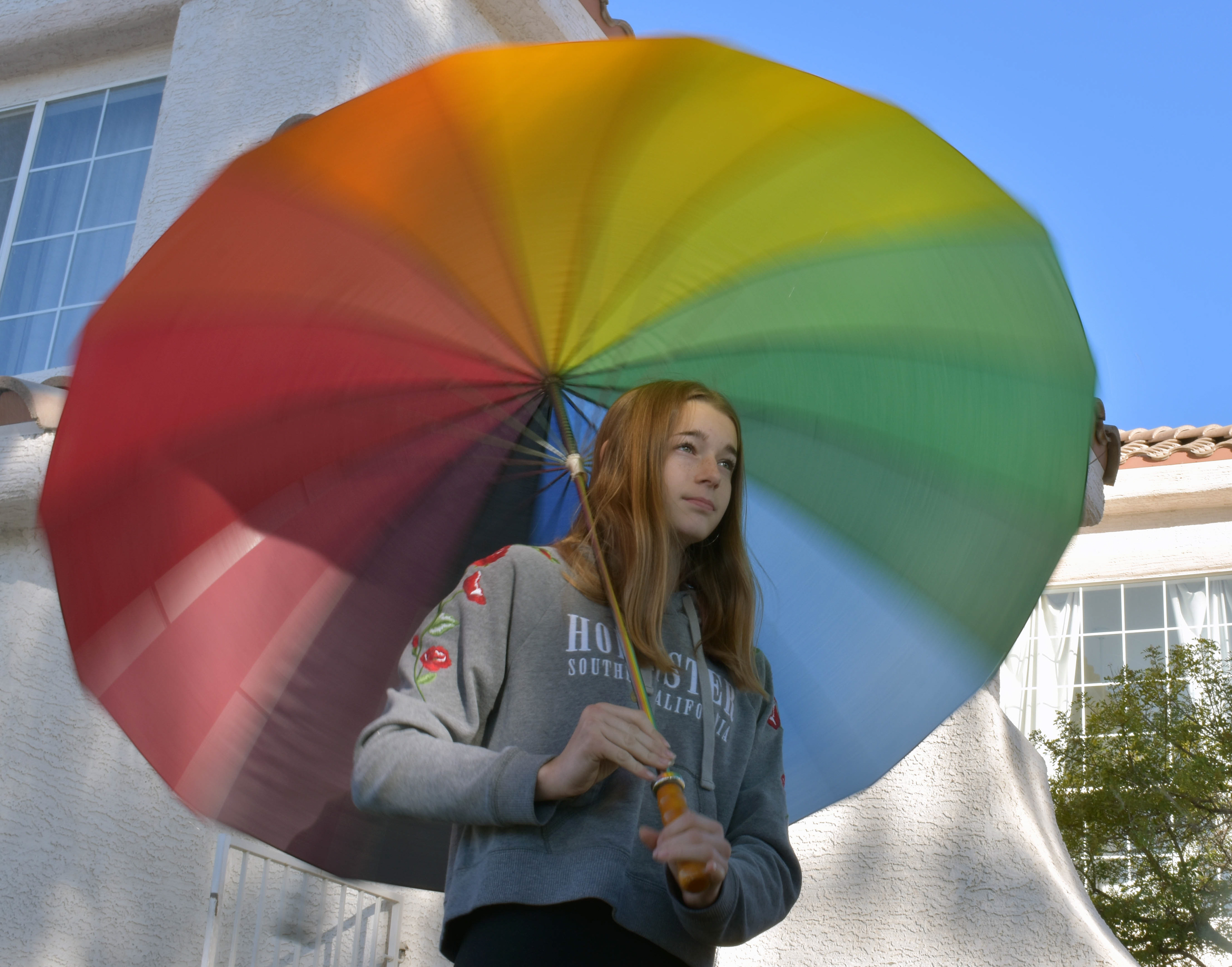
Slow Shutter
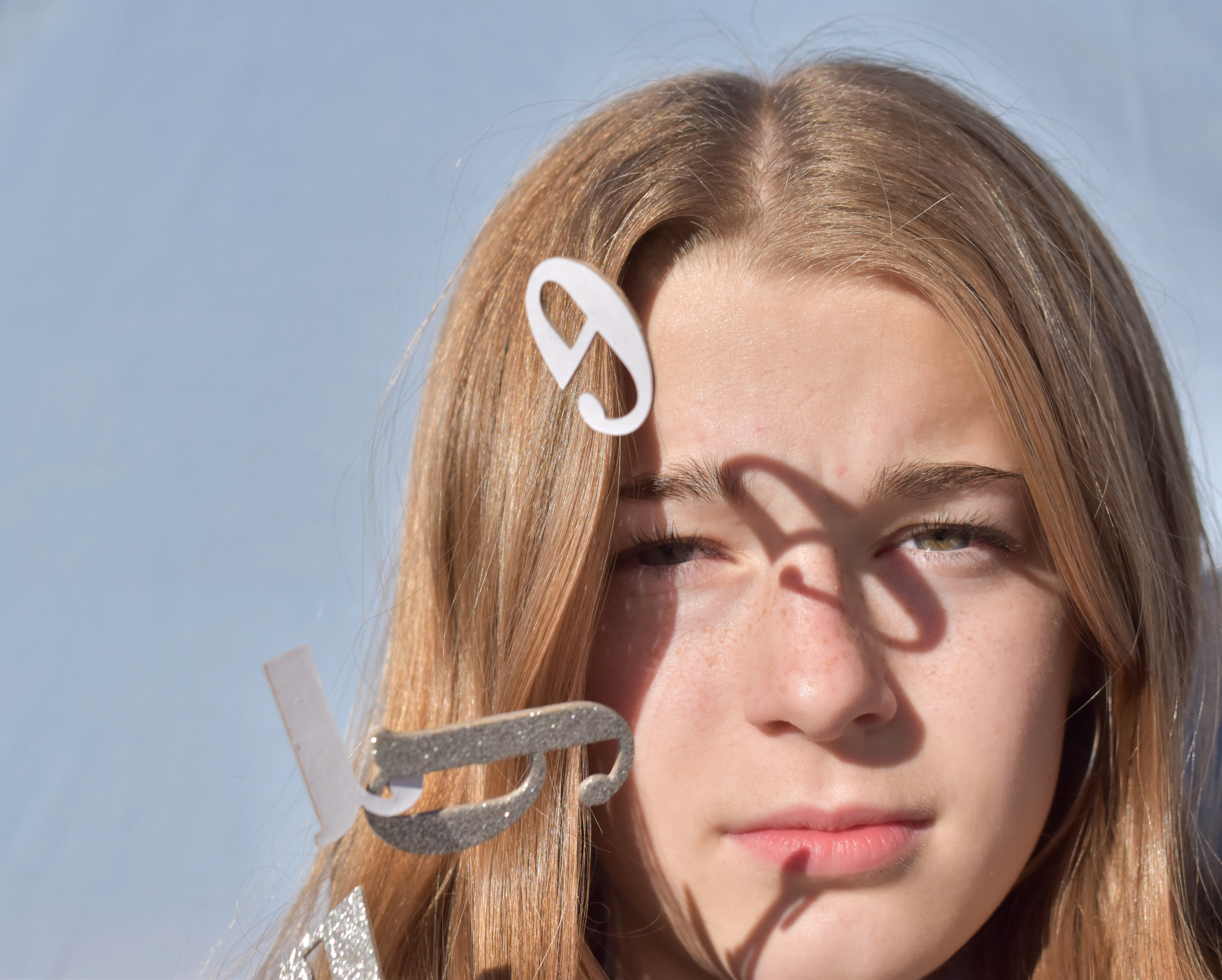
Fast Shutter
During this set of photographs, I was asked to use different shutter speeds to take the picture. The shutter speed modifies the amount of light and motion the can camera capture. I found shutter adjustments to be fun and challenging to use. For every picture I took, I did have to make slight adjustments to find the result I wanted. However, I like the influence different shutter speeds can bring and feel like it is worth the time it takes to find the best shot. All these photographs were for class. Each of them was edited, and submitted for evaluation.
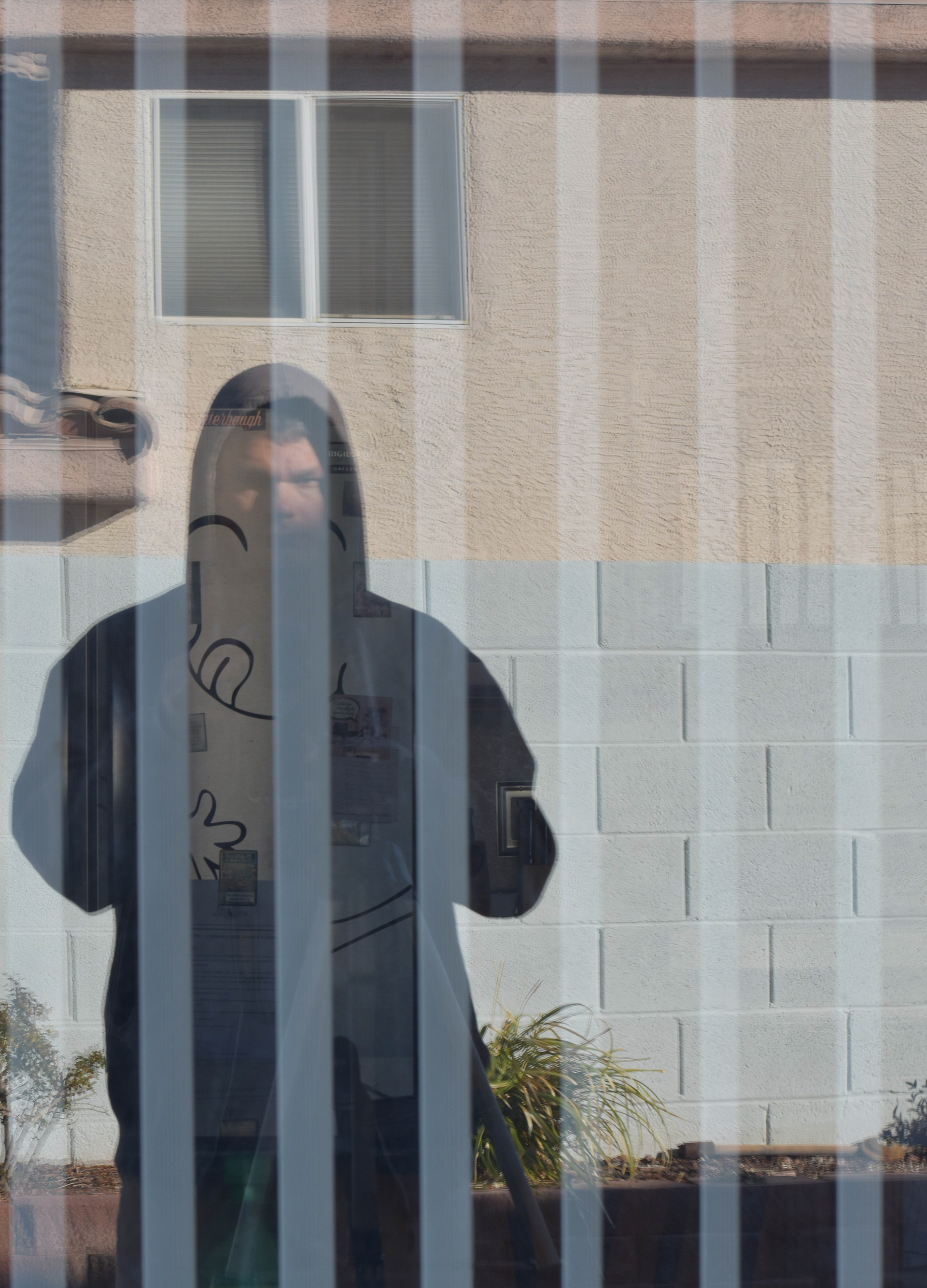
Self-portrait pattern
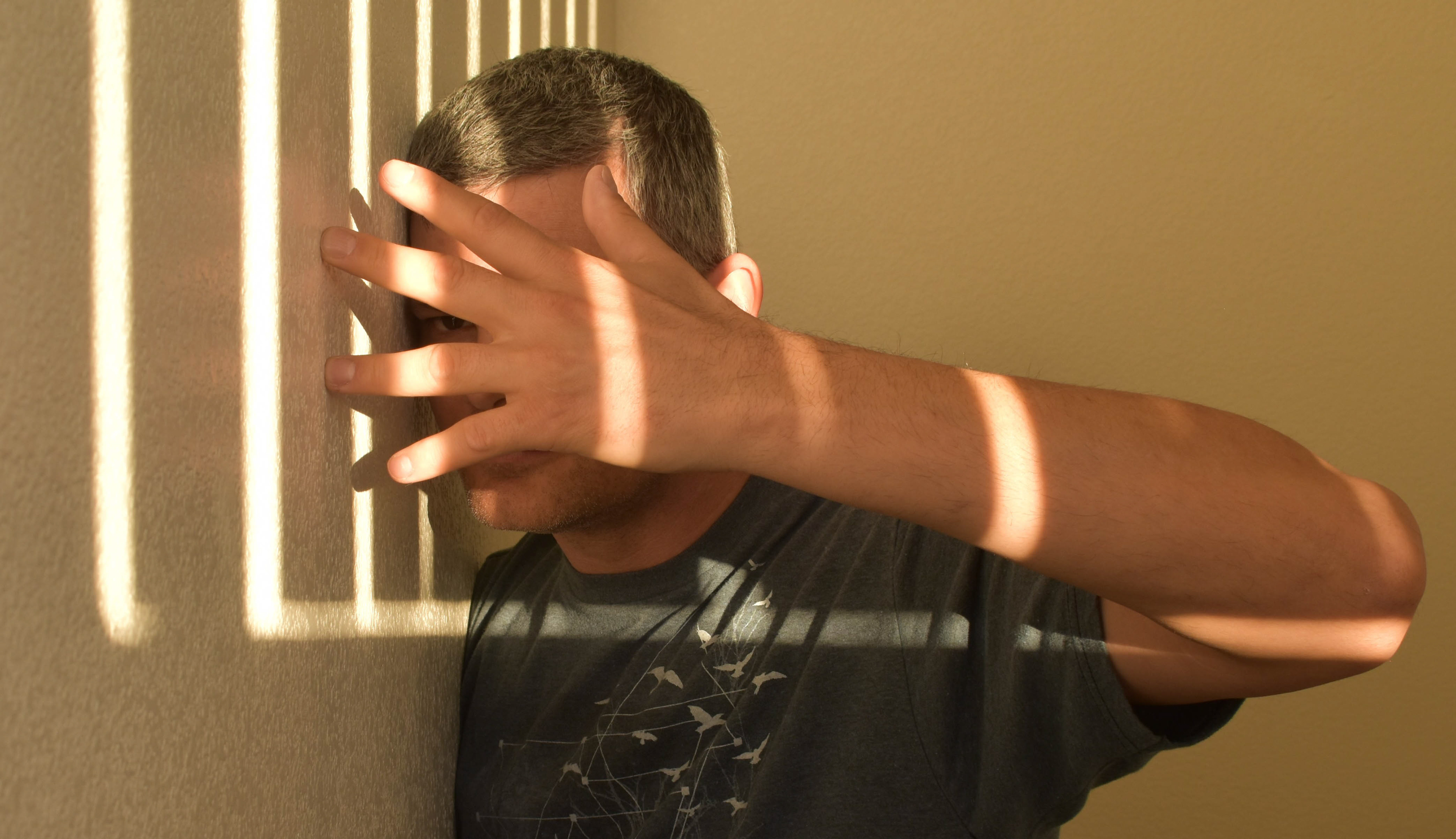
Self-portrait leading lines
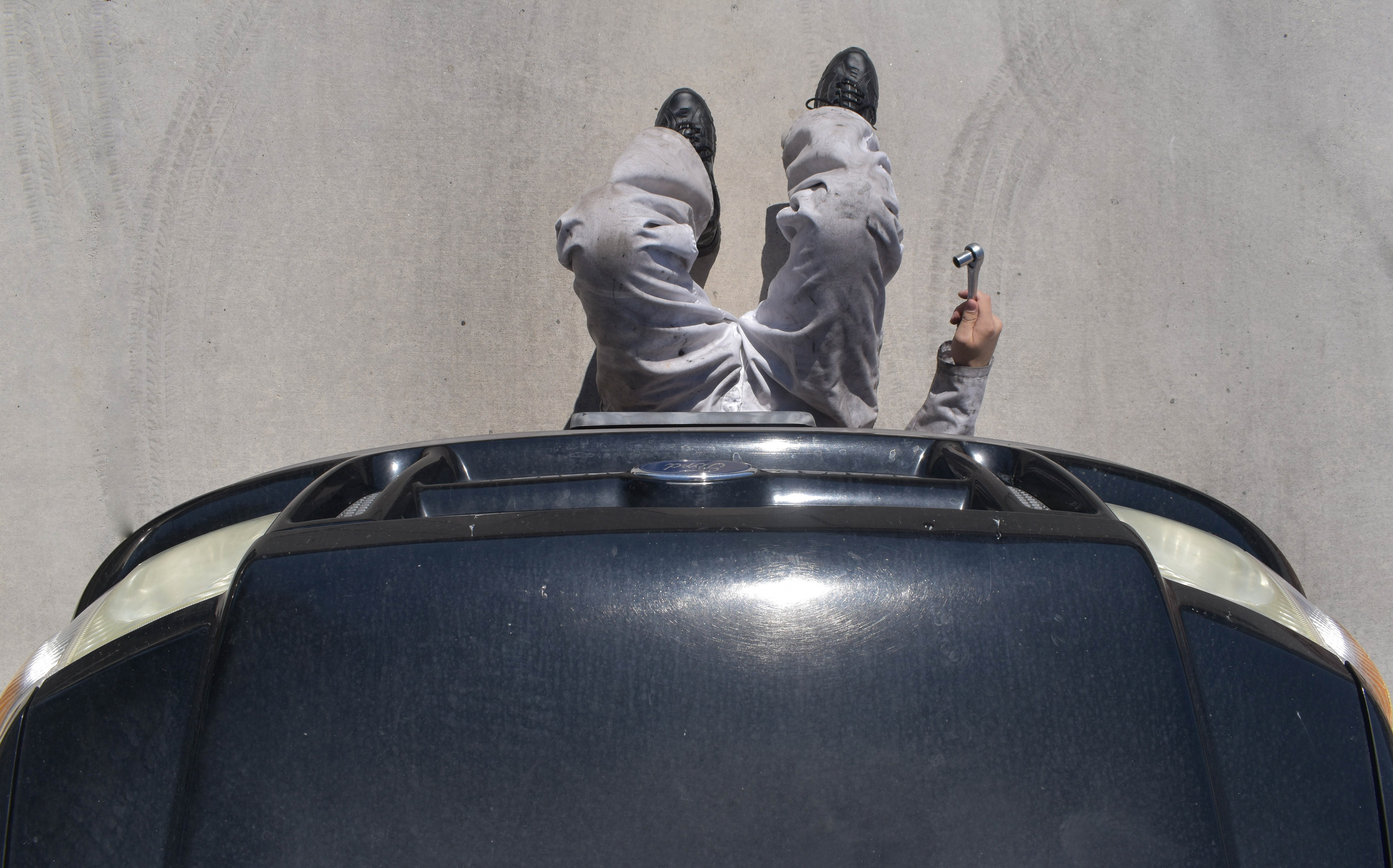
Self-portrait perspective
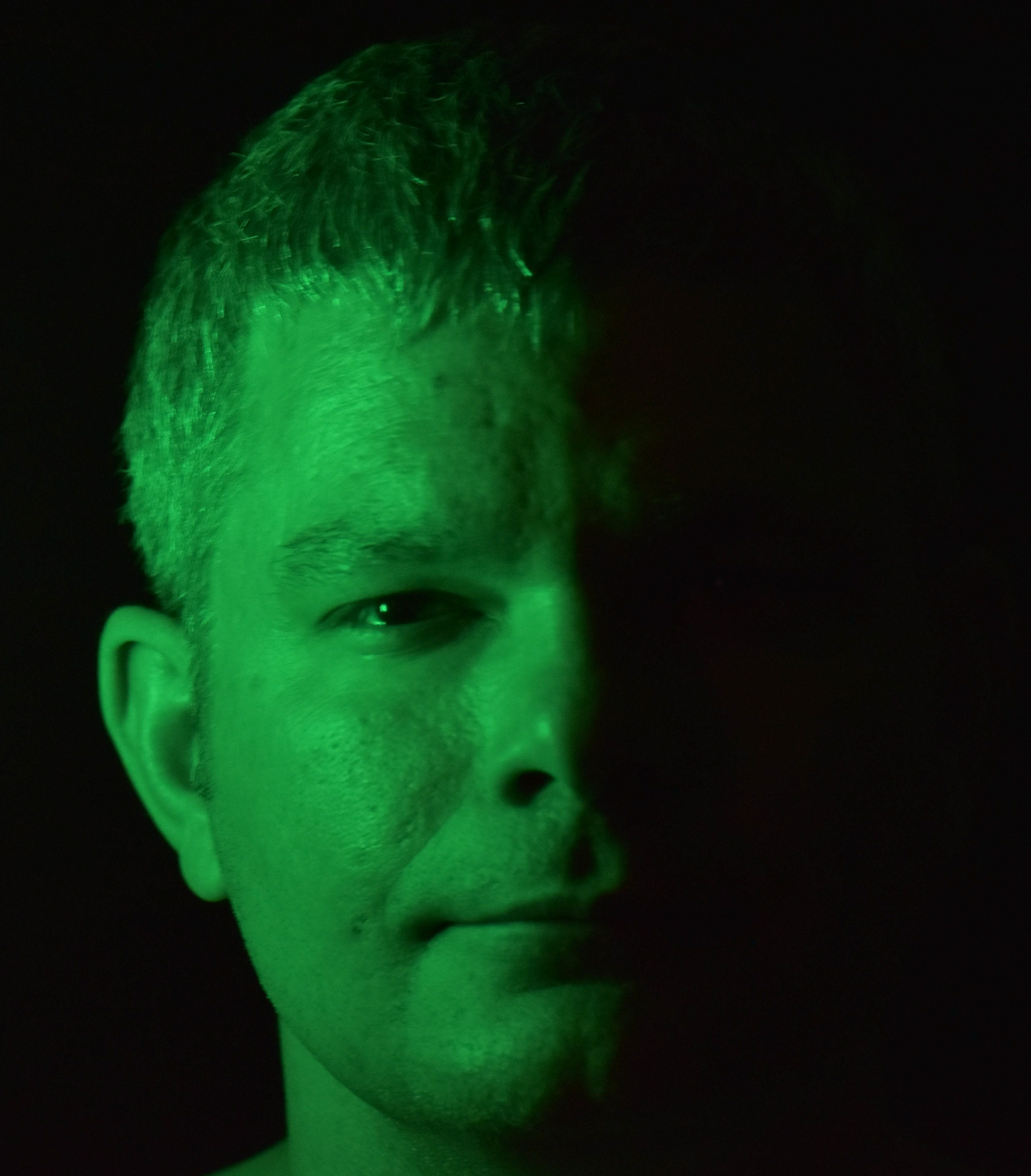
Self-portrait low light
Every photography class should have a self-portrait project. These pictures are from my photography class self-portrait project. I was given the freedom to use techniques and principles taught during the class. The self-portrait could also represent you, the photo from my contact page also belongs in this group. I enjoyed taking the skills I learned and applying them to self-portrait work.
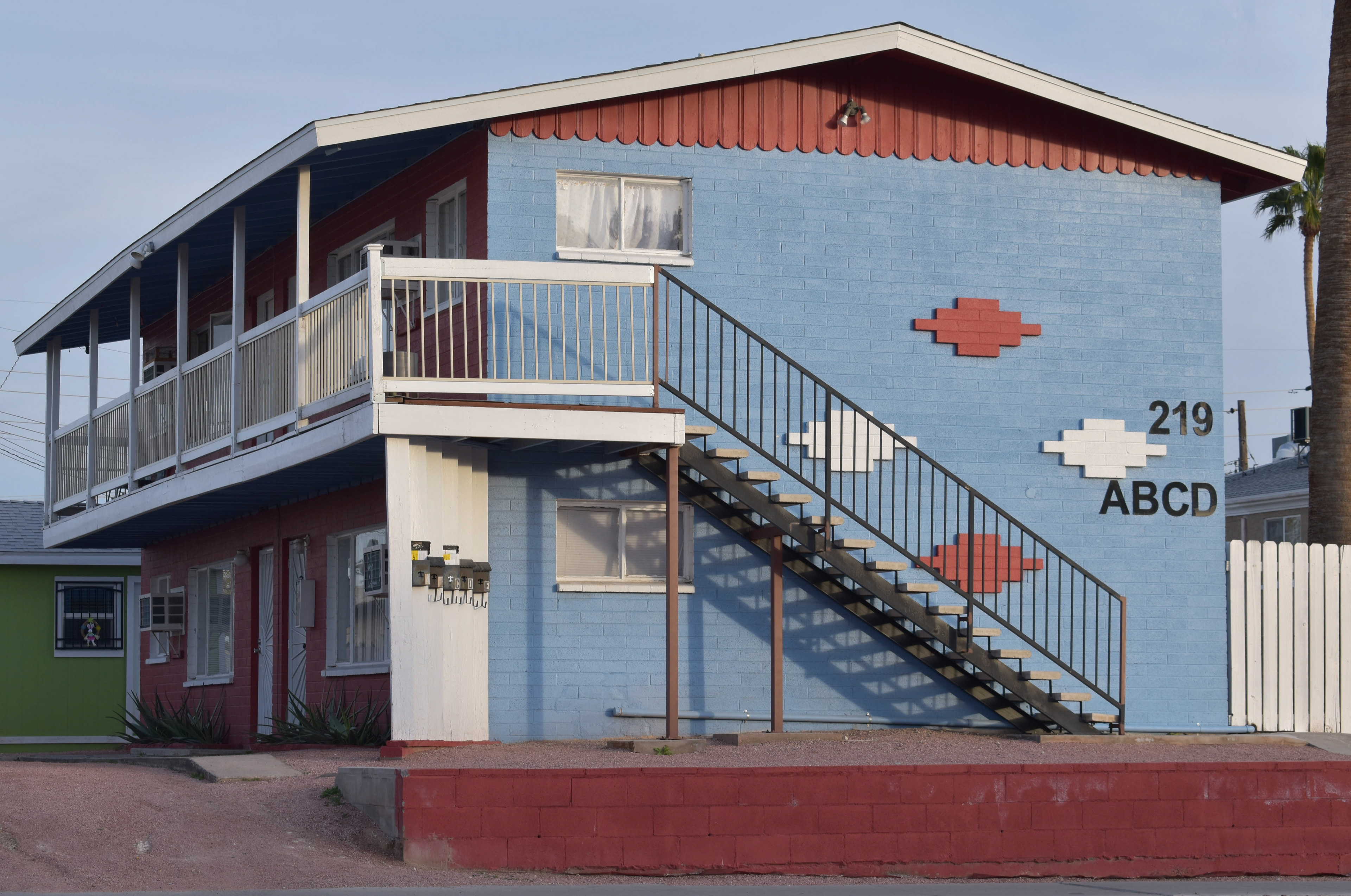
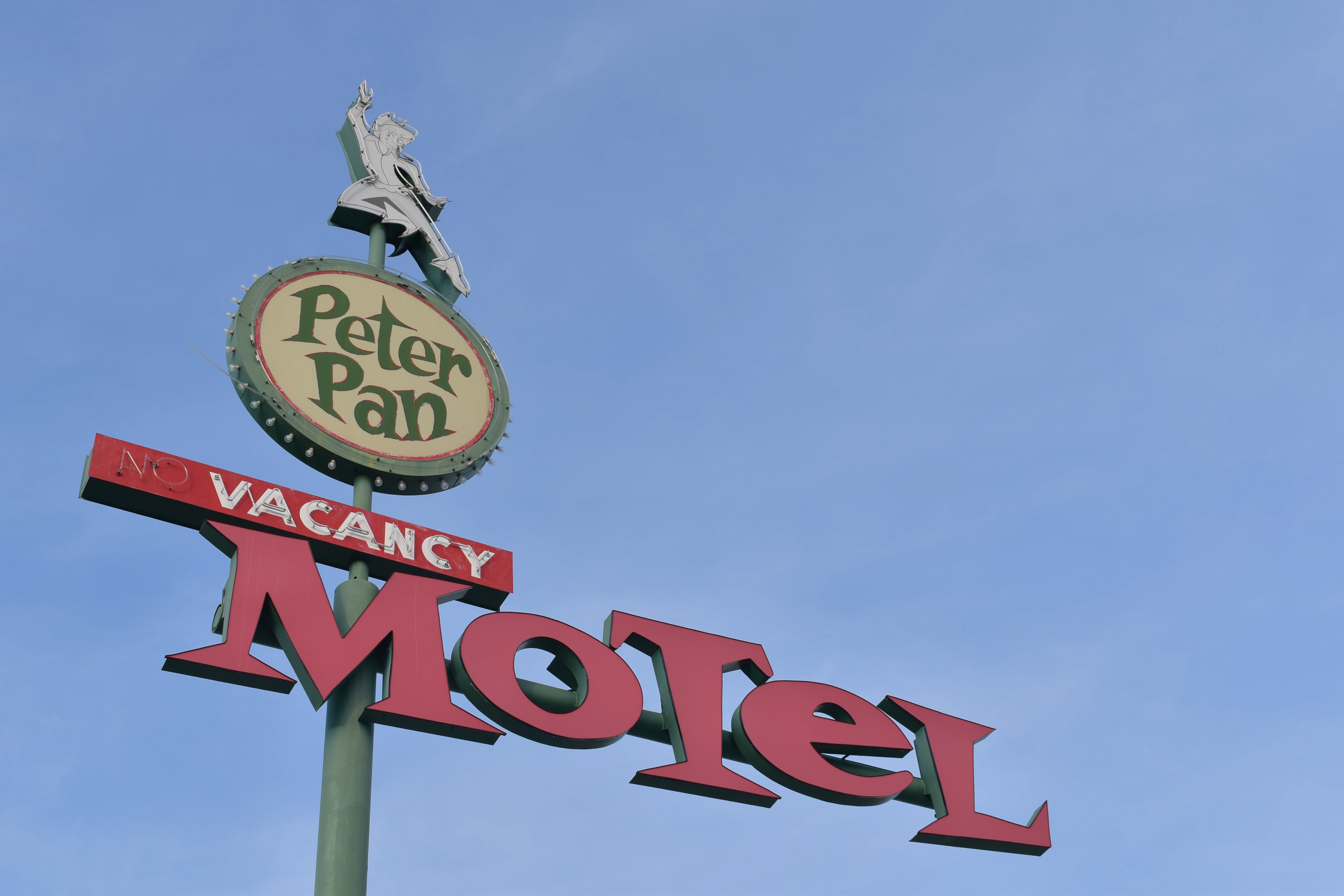
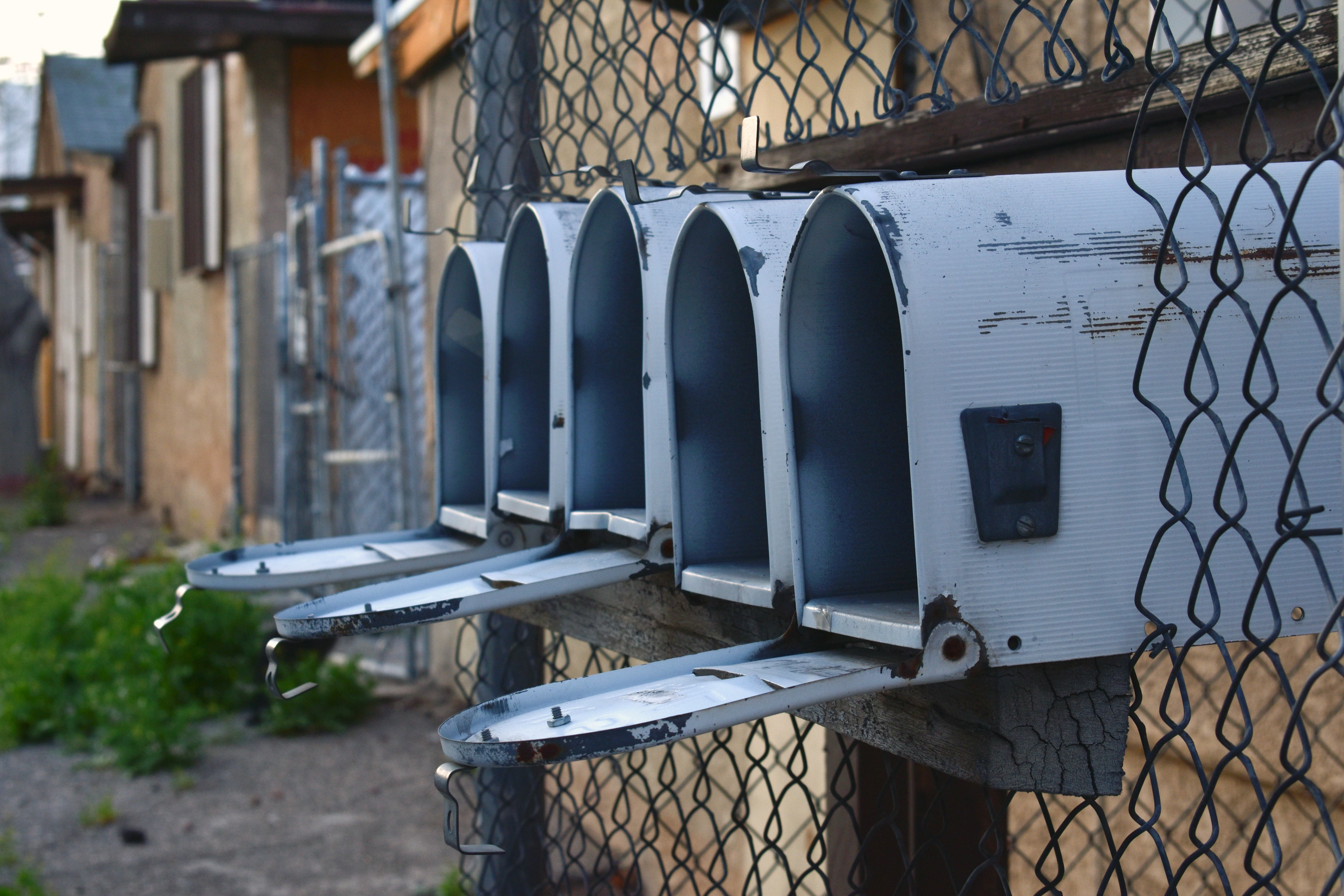
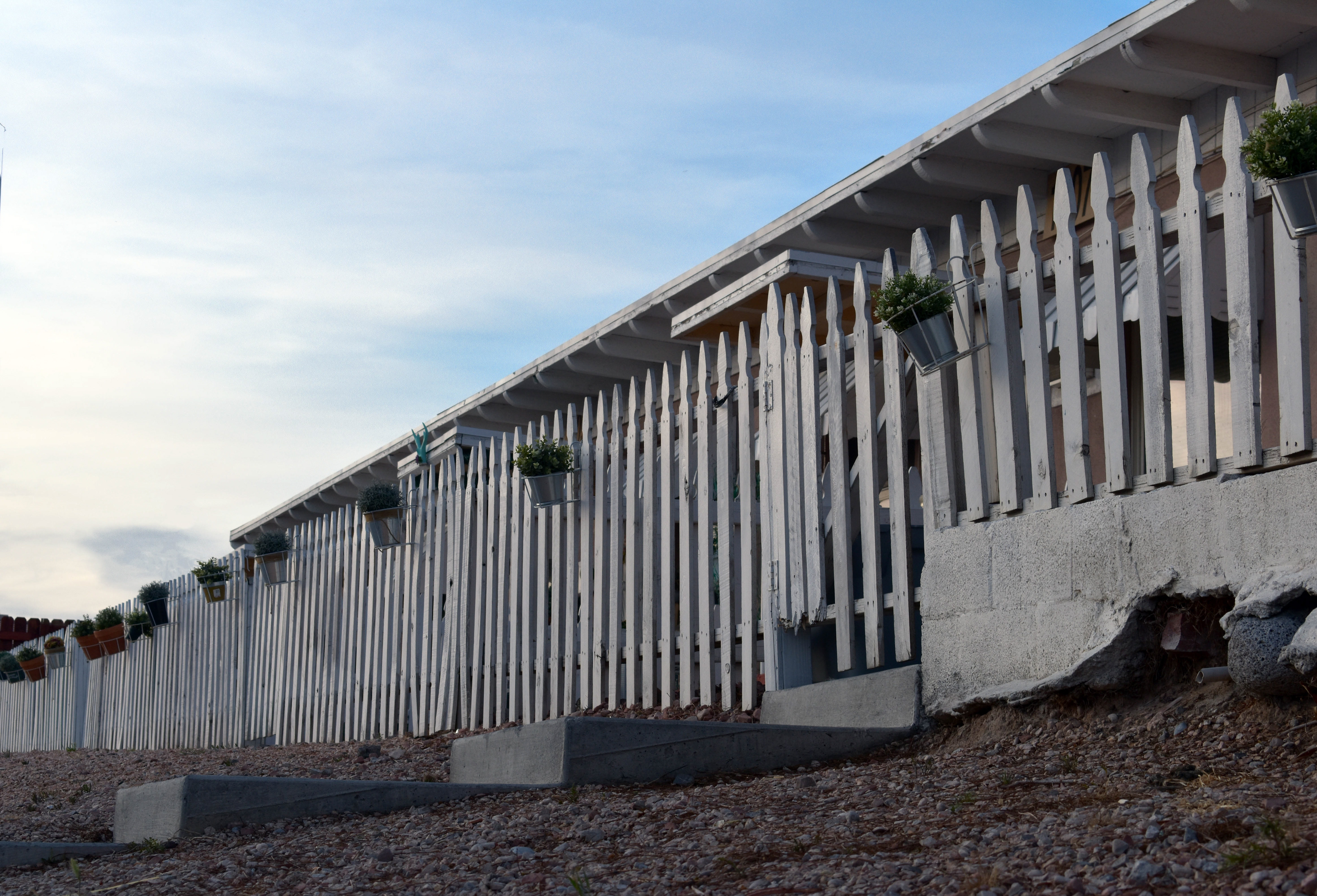
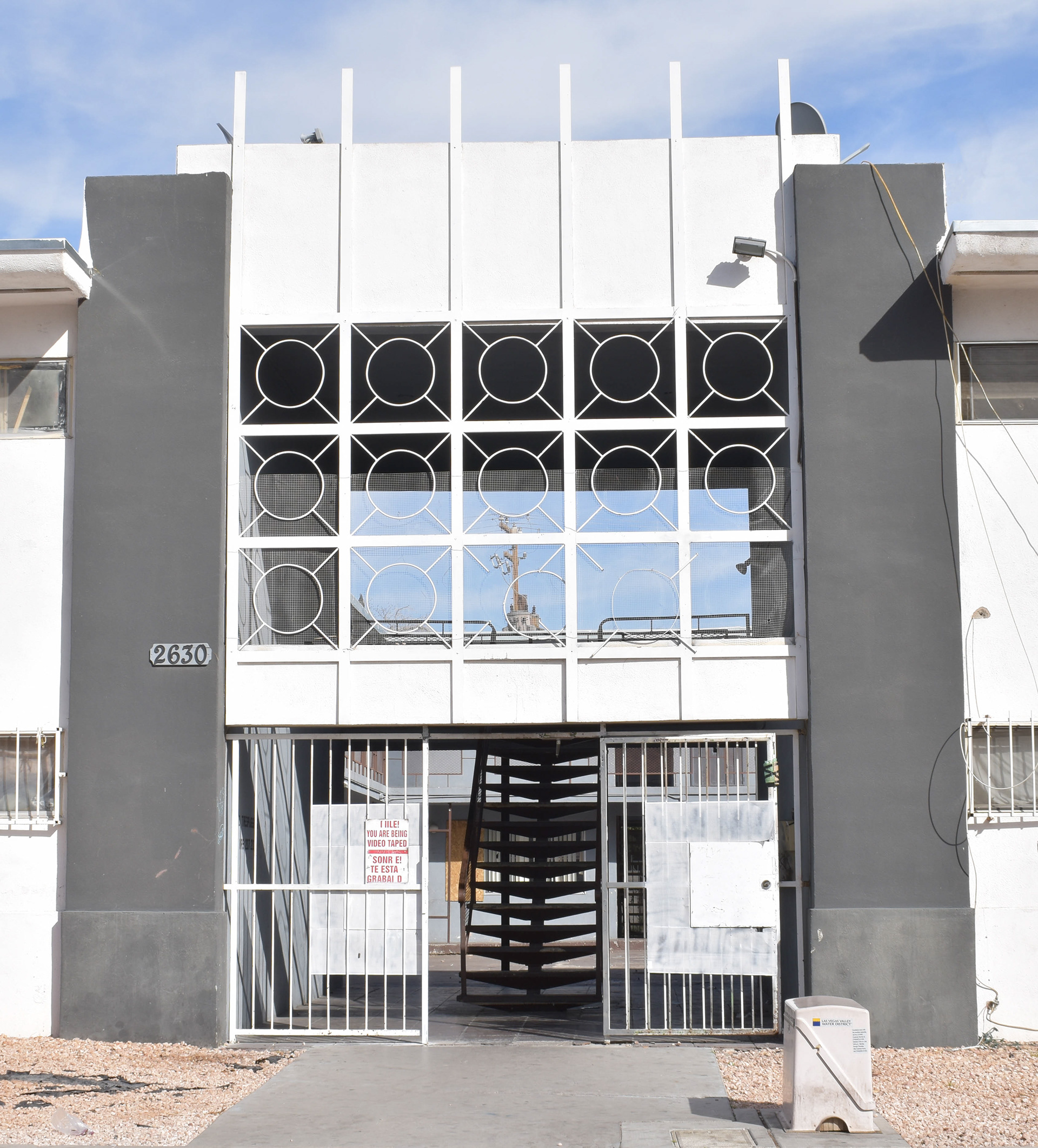
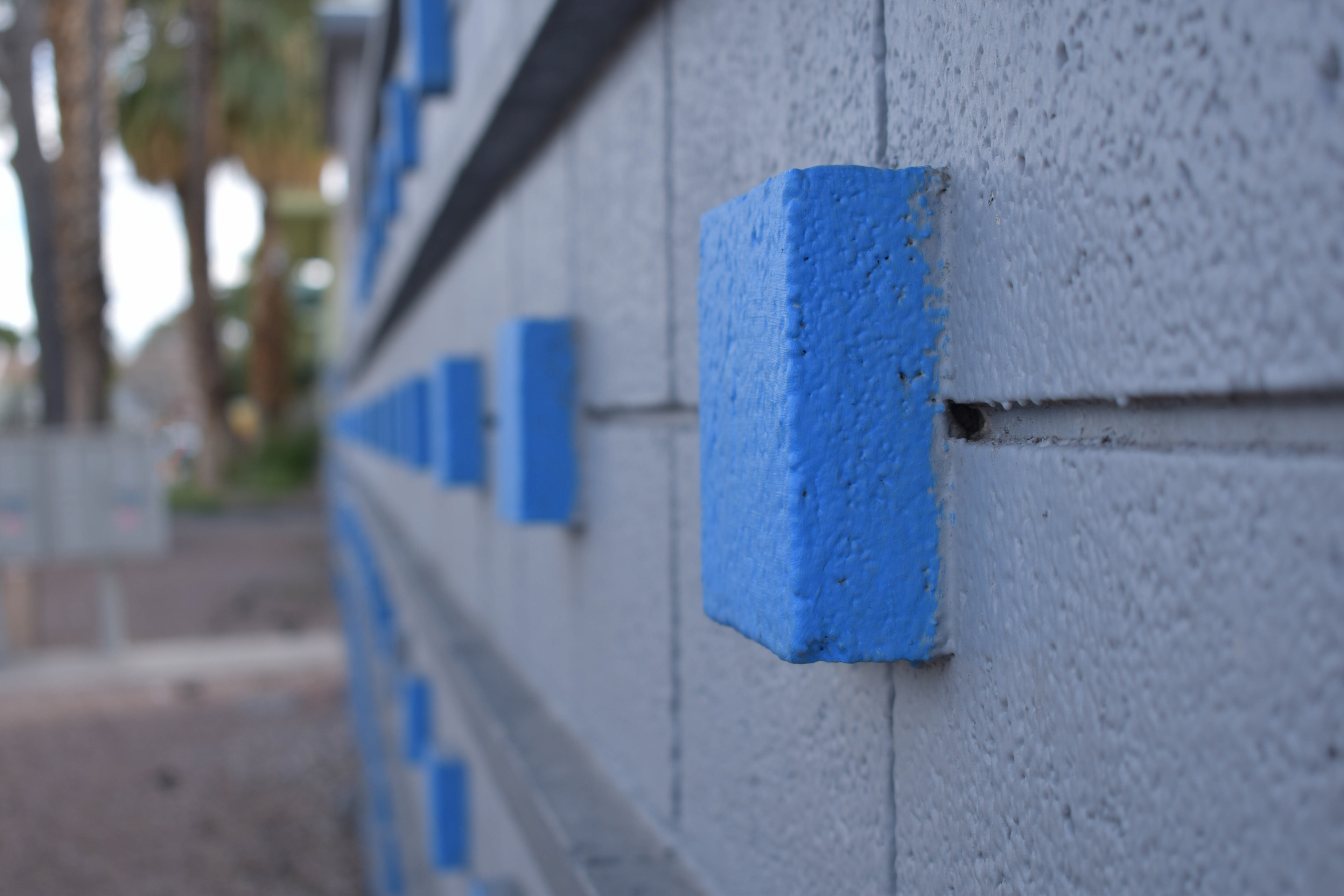
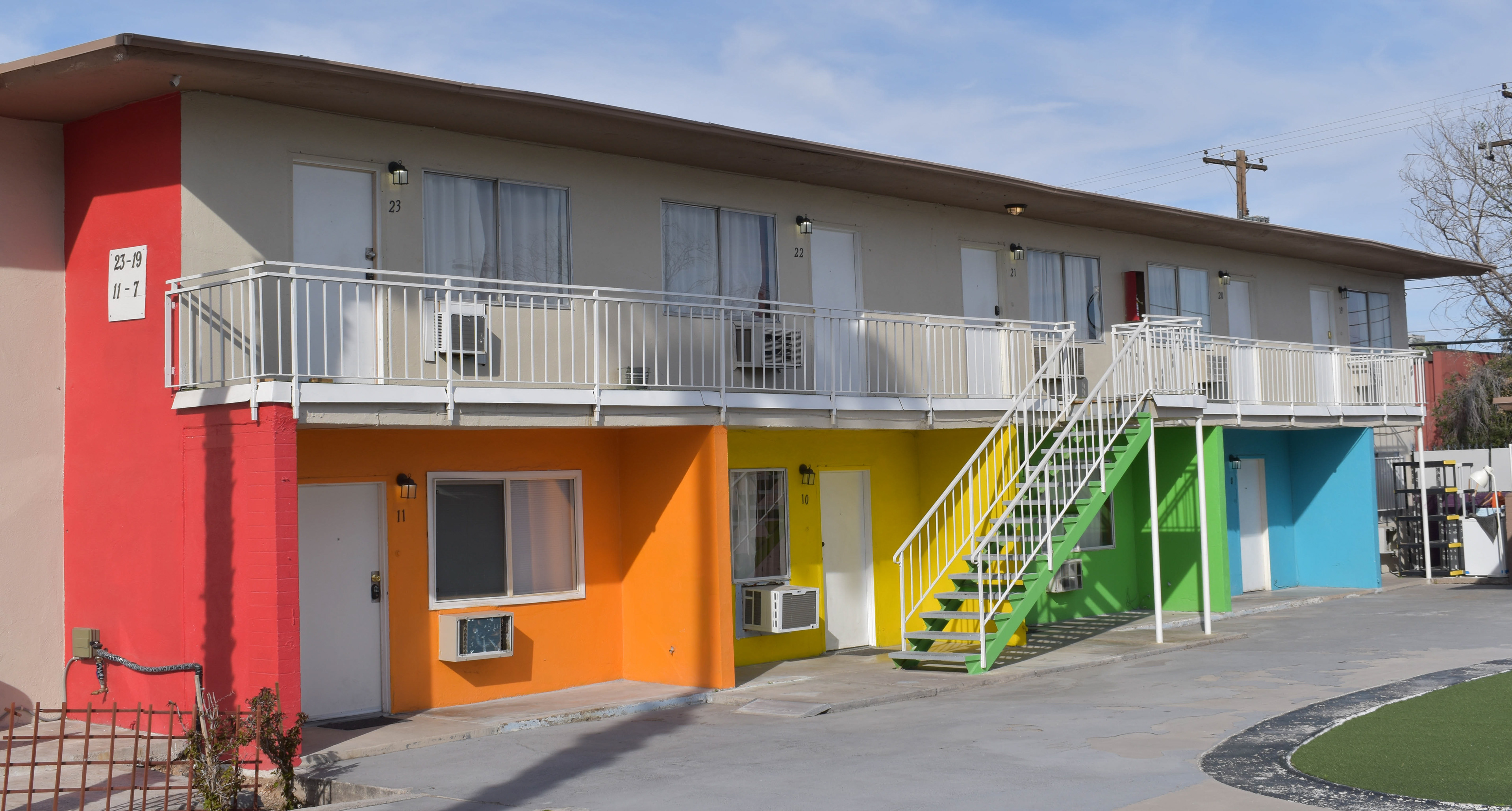
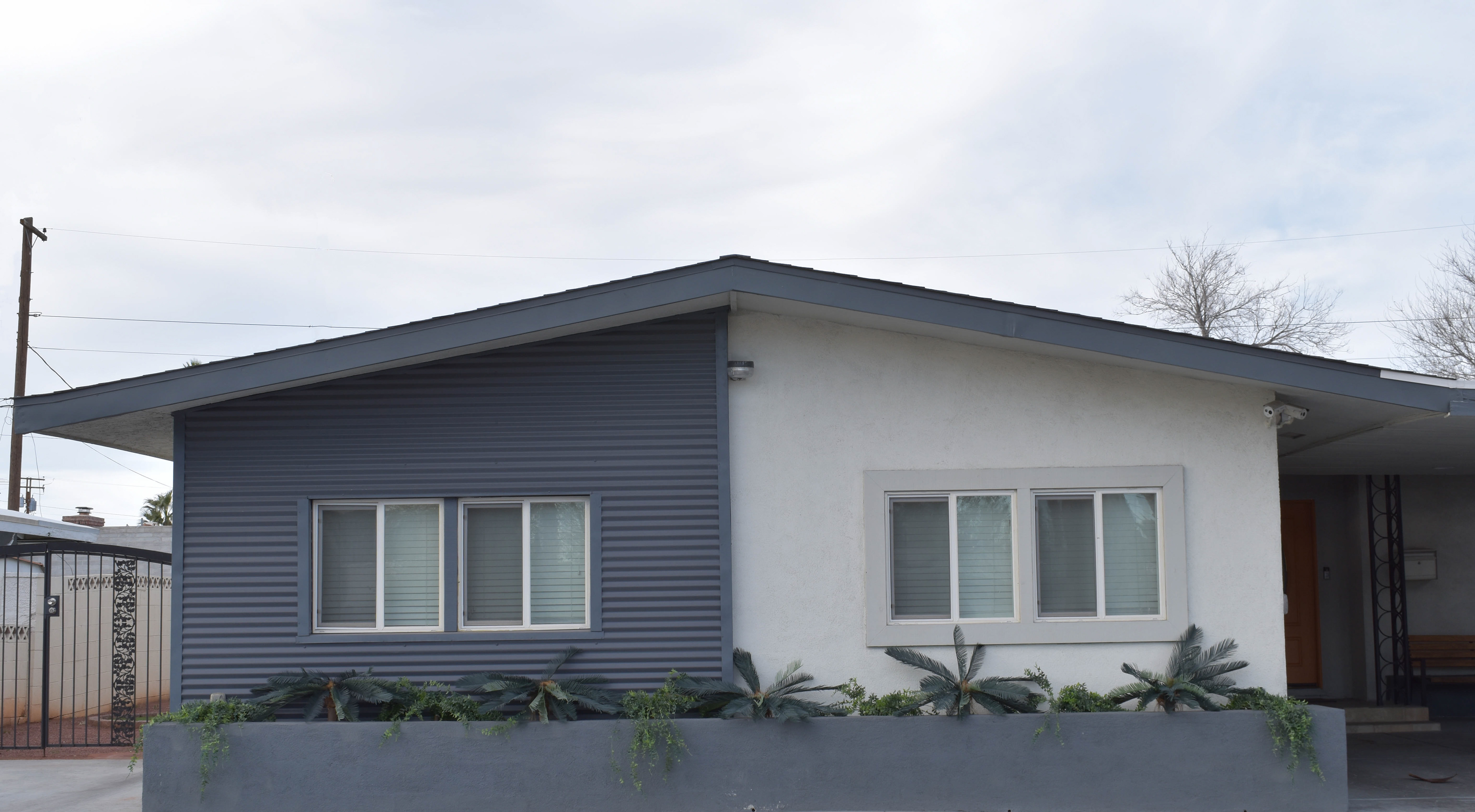
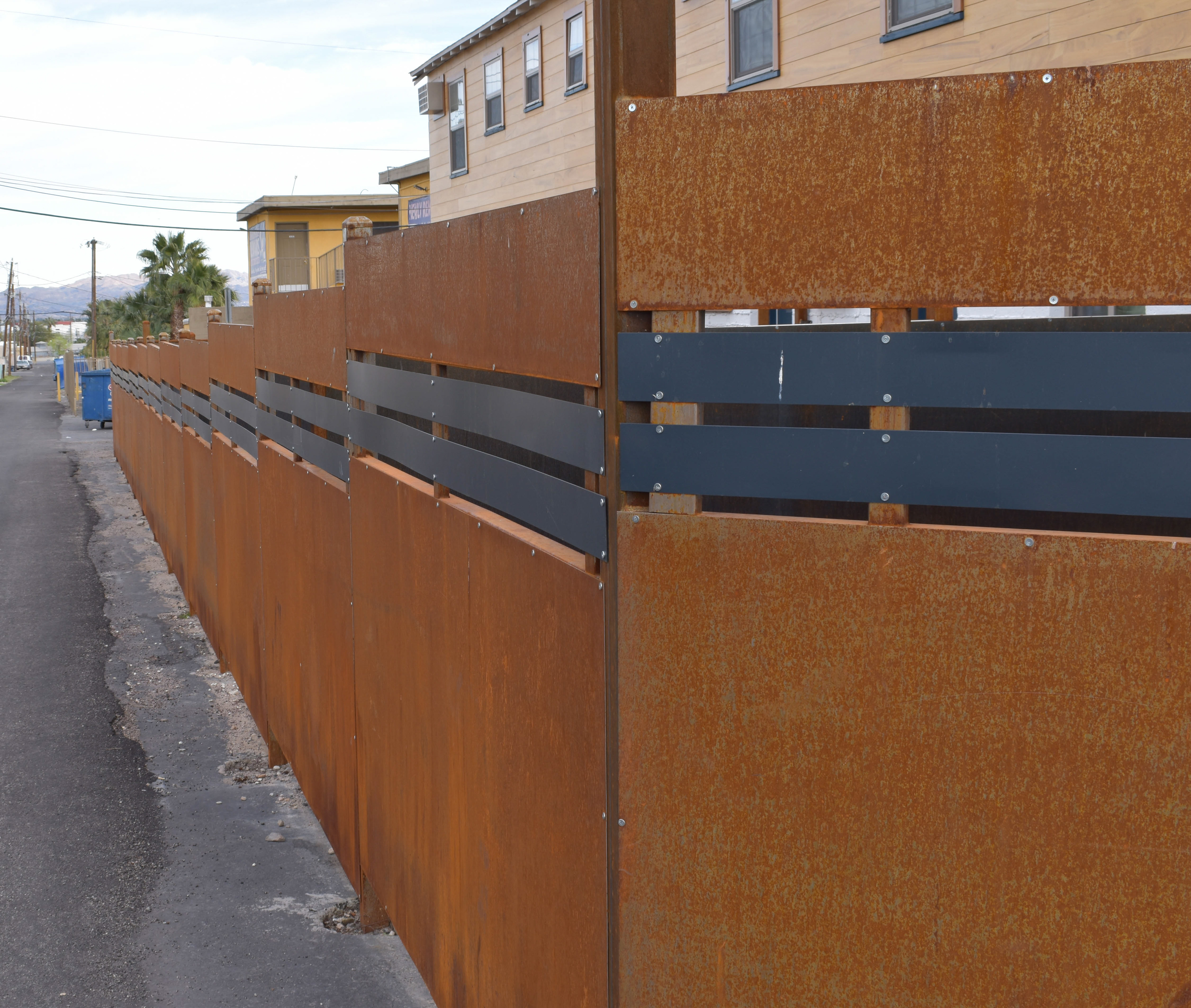
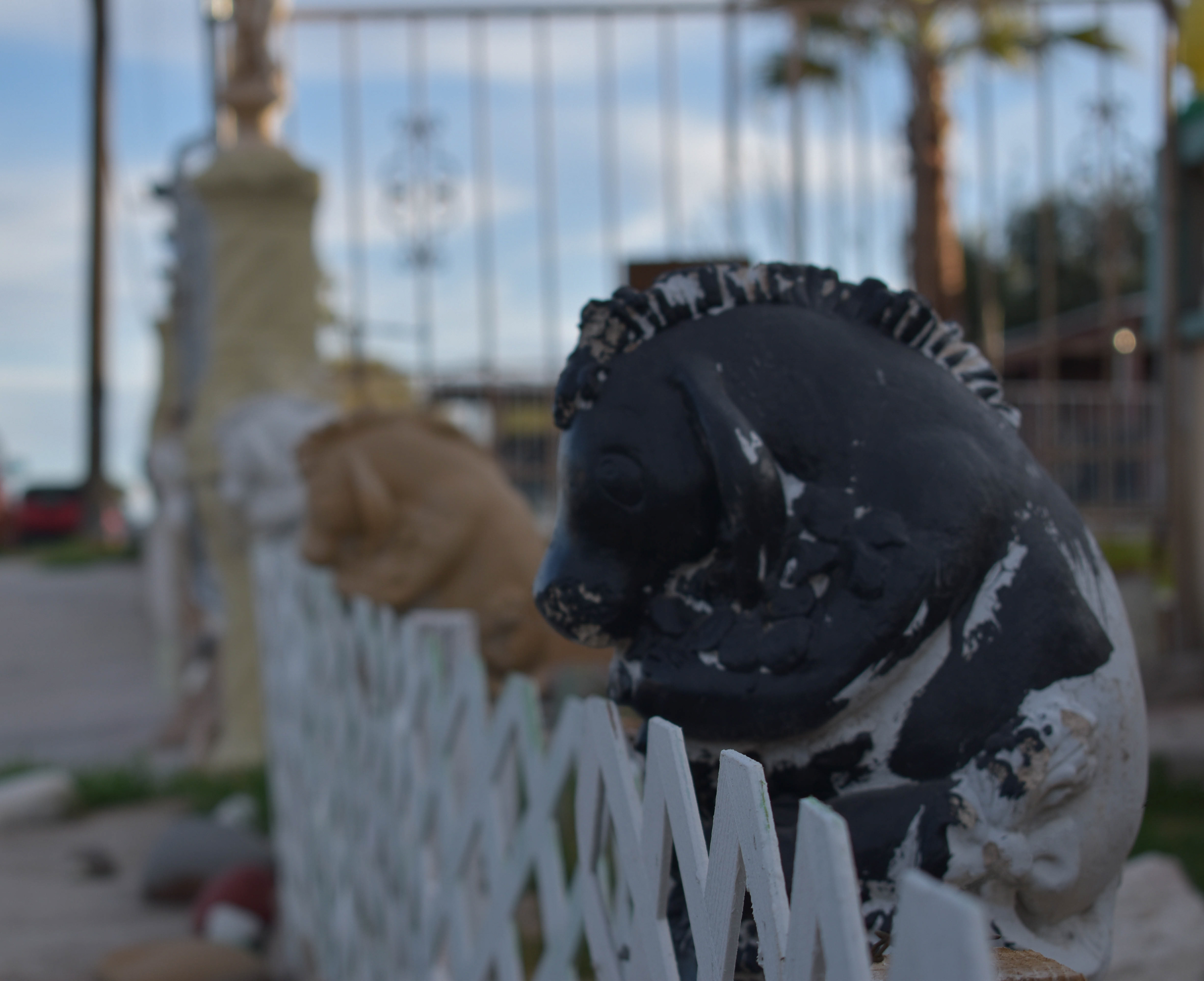
The above set of photographs are from a project for my class. I call it Project Vegas. I drove around areas of downtown Las Vegas that tourist do not normally see. While driving if I found a building, sign, or area I felt was unique I photographed it. All of these photographs are within minutes from the famous Las Vegas Strip. I liked this project because many of these houses are the homes that help build the Las Vegas Strip into what it is today. However, these houses have not seen the number of renovations the Strip has seen. Today, many lower income families live in this area, but I do not feel like that takes away from the exquisiteness to be found.